
Delhi hospitals record 6,581 lung cancer cases, 913 deaths amid mounting air pollution concerns
 The Apna Chhattisgarh
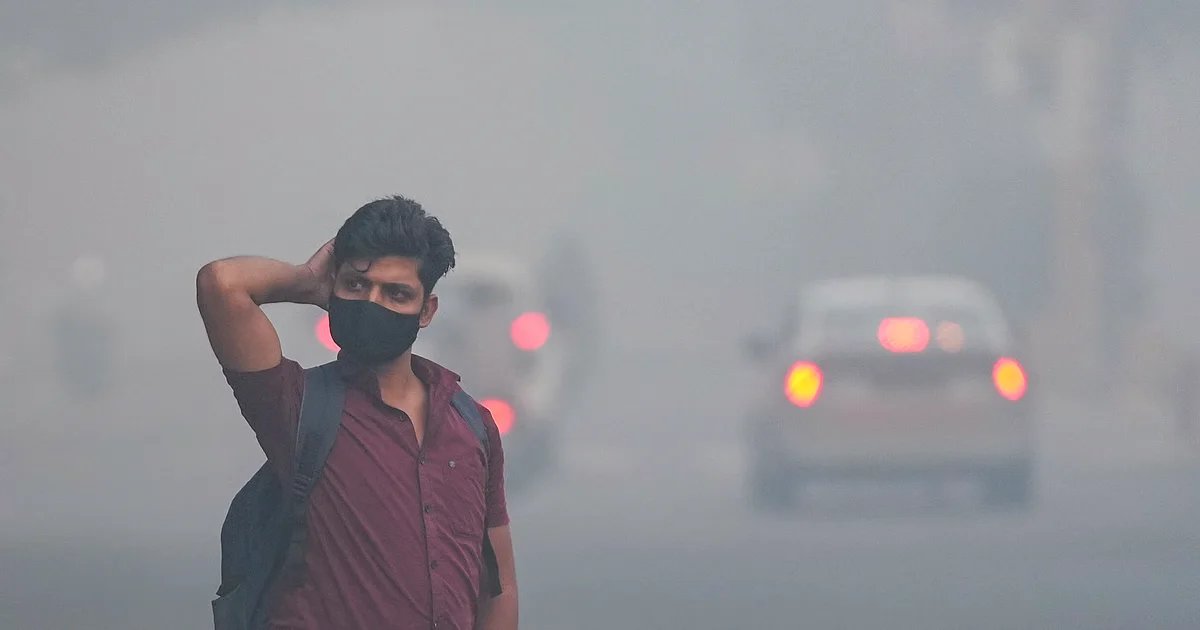
Delhi’s worsening air pollution crisis has brought renewed attention to the capital’s lung cancer burden, with 6,581 cases recorded across three prominent government hospitals and 913 deaths reported across four institutions over approximately six and a half years.
Data obtained through separate Right to Information (RTI) applications filed by PTI Bhasha revealed that an average of 83 lung cancer cases were registered every month, while approximately one patient died every three days across the reporting hospitals.
The findings come as the national capital grapples with its recurring winter pollution crisis in November, which is also observed globally as Lung Cancer Awareness Month.
However, the hospital records do not establish how many of these cases or deaths were directly attributable to air pollution.
𝗔𝗜𝗜𝗠𝗦 𝗿𝗲𝗰𝗼𝗿𝗱𝘀 𝟰,𝟴𝟲𝟬 𝗹𝘂𝗻𝗴 𝗰𝗮𝗻𝗰𝗲𝗿 𝗰𝗮𝘀𝗲𝘀
The RTI applications sought information from the All India Institute of Medical Sciences (AIIMS), Ram Manohar Lohia (RML) Hospital, Safdarjung Hospital and the Delhi State Cancer Institute (DSCI) for the period between January 1, 2020, and July 31, 2026.
AIIMS accounted for nearly 74 per cent of the reported cases, although its data covered a shorter period ending in March 2026. Safdarjung Hospital recorded the highest number of deaths among the four institutions but did not disclose its corresponding patient count.
𝗟𝘂𝗻𝗴 𝗰𝗮𝗻𝗰𝗲𝗿 𝗮𝗺𝗼𝗻𝗴 𝘄𝗼𝗺𝗲𝗻 𝗮𝗻𝗱 𝗰𝗵𝗶𝗹𝗱𝗿𝗲𝗻
The Delhi State Cancer Institute reported that 351 women were diagnosed with lung cancer during the period. Two children were also diagnosed with the disease at the institute in 2021.
At RML Hospital, women accounted for 47 of the 108 registered cases, representing approximately 43.5 per cent.
Doctors have expressed concern over lung cancer diagnoses among women who have never smoked, pointing to the potential role of environmental exposure and genetic factors.
However, despite specific requests under the RTI Act, none of the four hospitals furnished data separately identifying lung cancer patients who had never smoked.
The absence of such information makes it difficult to assess the relative contribution of tobacco consumption, environmental pollution and other risk factors.
𝗪𝗵𝘆 𝗣𝗠𝟮.𝟱 𝗲𝘅𝗽𝗼𝘀𝘂𝗿𝗲 𝗶𝗻𝗰𝗿𝗲𝗮𝘀𝗲𝘀 𝗹𝘂𝗻𝗴 𝗰𝗮𝗻𝗰𝗲𝗿 𝗿𝗶𝘀𝗸
In 2013, the International Agency for Research on Cancer (IARC), the specialised cancer research agency of the World Health Organization (WHO), classified outdoor air pollution and particulate matter as Group 1 carcinogens, establishing that sufficient scientific evidence exists linking exposure to these pollutants with lung cancer.
Fine particulate matter, or PM2.5, comprises particles measuring 2.5 micrometres or less in diameter. Their microscopic size allows them to penetrate deep into the lungs, potentially triggering chronic inflammation, oxidative stress and cellular damage.
A 2014 meta-analysis of 18 studies found that every additional 10 micrograms per cubic metre of long-term PM2.5 exposure was associated with a 9 per cent increase in the relative risk of lung cancer.
The WHO revised its recommended annual average PM2.5 concentration from 10 micrograms per cubic metre to five micrograms per cubic metre in 2021. India’s annual permissible standard stands at 40 micrograms per cubic metre.
𝗗𝗲𝗹𝗵𝗶-𝘀𝗽𝗲𝗰𝗶𝗳𝗶𝗰 𝘀𝘁𝘂𝗱𝗶𝗲𝘀 𝗳𝗹𝗮𝗴 𝗲𝗹𝗲𝘃𝗮𝘁𝗲𝗱 𝗿𝗶𝘀𝗸𝘀
A 2024 study published in the Royal Society of Chemistry journal Environmental Science: Atmospheres examined Delhi’s air quality between January 2019 and December 2023.
The researchers assessed six major pollutants, including PM2.5, PM10, nitrogen dioxide, ozone, benzene and toluene.
The study estimated a relative risk of 1.51 for lung cancer mortality associated with prolonged PM2.5 exposure, indicating a modelled increase of 51 per cent in relative risk.
Another study published in the Environmental Claims Journal in 2023 examined particulate matter exposure in Delhi between 2015 and 2020, estimating an average relative risk of 2.15 for lung cancer mortality associated with PM2.5 exposure.
These estimates are based on scientific modelling and should not be interpreted as direct measurements of pollution-induced cancer deaths among Delhi residents.
𝗛𝗼𝘄 𝗮𝗶𝗿 𝗽𝗼𝗹𝗹𝘂𝘁𝗶𝗼𝗻 𝗰𝗮𝗻 𝘁𝗿𝗶𝗴𝗴𝗲𝗿 𝗰𝗮𝗻𝗰𝗲𝗿 𝗶𝗻 𝗻𝗼𝗻-𝘀𝗺𝗼𝗸𝗲𝗿𝘀
A landmark study published in Nature in April 2023 offered important insights into the biological mechanisms linking air pollution with lung cancer among people who have never smoked.
The research examined 32,957 cases of lung cancer associated with mutations in the epidermal growth factor receptor (EGFR) gene across four population cohorts.
The researchers found that exposure to PM2.5 could trigger inflammatory responses in lung tissue, promoting tumour development in cells already carrying cancer-associated genetic mutations.
The findings suggested that air pollutants could promote cancer development without necessarily being responsible for the original genetic mutation.
The research provided further scientific evidence supporting policies aimed at reducing prolonged exposure to hazardous air pollutants.
𝗔𝗶𝗿 𝗽𝗼𝗹𝗹𝘂𝘁𝗶𝗼𝗻 𝗮𝗻𝗱 𝘁𝗵𝗲 𝗴𝗹𝗼𝗯𝗮𝗹 𝗰𝗮𝗻𝗰𝗲𝗿 𝗯𝘂𝗿𝗱𝗲𝗻
According to IARC estimates, approximately 2.5 million people were diagnosed with lung cancer globally in 2022, making it the most commonly diagnosed cancer worldwide.
A 2025 IARC study estimated that outdoor particulate matter pollution contributed to approximately 194,864 cases of lung adenocarcinoma globally in 2022, including 114,486 cases among men and 80,378 among women.
A separate report released in April 2026 by the Union for International Cancer Control (UICC) and the George Institute for Global Health highlighted estimates attributing more than 434,000 annual lung cancer cases worldwide to air pollution.
The report, which synthesised findings from 42 systematic reviews and meta-analyses, also found that long-term PM2.5 exposure was associated with an 11 per cent increase in overall cancer risk and a 12 per cent increase in cancer mortality risk.
𝗟𝘂𝗻𝗴 𝗰𝗮𝗻𝗰𝗲𝗿 𝗼𝗳𝘁𝗲𝗻 𝗱𝗲𝘁𝗲𝗰𝘁𝗲𝗱 𝗮𝘁 𝗮𝗱𝘃𝗮𝗻𝗰𝗲𝗱 𝘀𝘁𝗮𝗴𝗲𝘀
Medical experts have warned that lung cancer frequently remains undetected during its initial stages because patients may not develop noticeable symptoms until the disease has progressed.
Common warning signs include persistent coughing, coughing up blood, breathlessness, chest pain, unexplained weight loss, changes in voice and recurrent chest infections.
Doctors recommend timely medical evaluation of persistent respiratory symptoms, particularly among individuals with a history of tobacco consumption, occupational exposure or other risk factors.
Computed tomography (CT) scans can help identify suspicious abnormalities, while tissue examination and other diagnostic procedures may be required to confirm cancer.
𝗪𝗵𝗮𝘁 𝘁𝗵𝗲 𝗥𝗧𝗜 𝗱𝗮𝘁𝗮 𝗱𝗼𝗲𝘀 𝗻𝗼𝘁 𝗿𝗲𝘃𝗲𝗮𝗹
Despite the substantial number of cases and deaths recorded, the hospital data presents only a partial picture of the lung cancer burden in the national capital.
The institutions cater to patients from several states, including Uttar Pradesh, Haryana and Bihar, and even neighbouring Nepal. Consequently, not all recorded patients were necessarily Delhi residents or had experienced prolonged exposure to the capital’s polluted air.
The records also lack detailed information on patients’ smoking history, occupational exposure, residential history and individual exposure to air pollutants.
Furthermore, the absence of complete patient and mortality data across all four institutions prevents the calculation of a reliable case fatality rate.
Nevertheless, the findings underline the importance of strengthening cancer surveillance and studying the long-term health consequences of environmental pollution.
While Delhi’s pollution management efforts frequently revolve around seasonal restrictions and emergency measures, the established association between prolonged exposure to polluted air and lung cancer highlights the importance of sustained, year-round interventions to reduce emissions and protect public health.
About the Author