Rs 3,230 crore Yuge Yugeen Bharat Museum to use facial recognition, automated crowd management
 The Apna Chhattisgarh
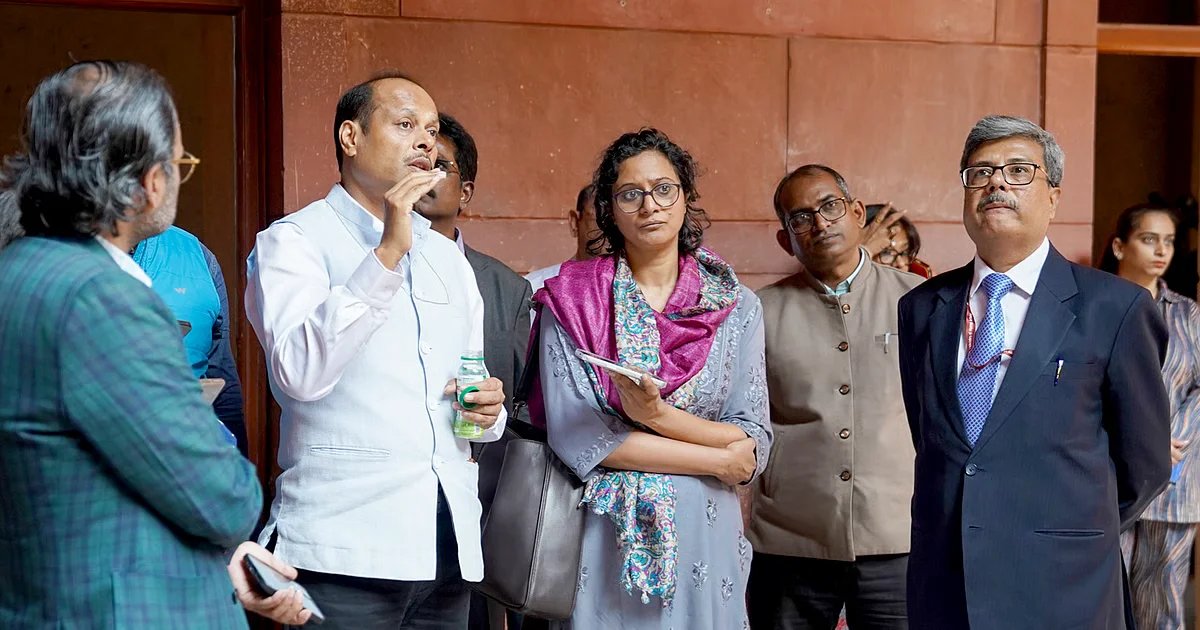
The upcoming Yuge Yugeen Bharat Museum will deploy advanced facial recognition technology, automated crowd management systems and integrated security infrastructure, Union Culture Secretary Vivek Aggarwal said on Wednesday, as restoration work at the historic North Block progresses.
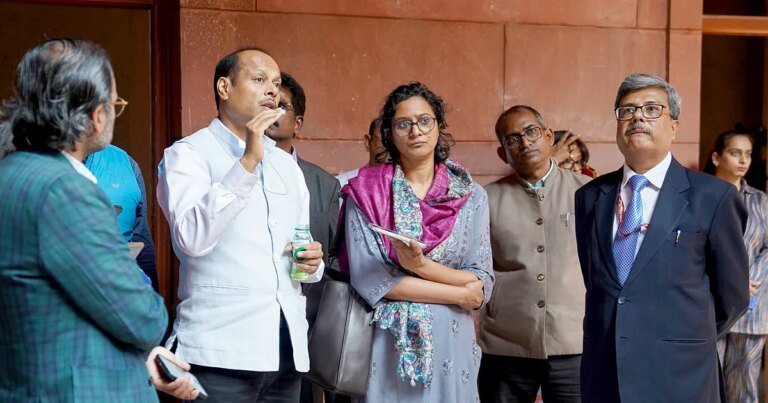
Aggarwal visited the British-era building along with senior Culture Ministry officials to review the ongoing civil and structural restoration work.
The ambitious museum project, billed as the world’s largest museum, will be implemented in phases by 2031 and feature eight thematic segments showcasing over 5,000 years of India’s history.
The first gallery, based on the theme of ‘Adornment’, is expected to open to the public in the latter part of 2027.
𝗥𝘀 𝟯,𝟮𝟯𝟬 𝗰𝗿𝗼𝗿𝗲 𝗺𝘂𝘀𝗲𝘂𝗺 𝗽𝗿𝗼𝗷𝗲𝗰𝘁
The Cabinet Committee on Economic Affairs, chaired by Prime Minister Narendra Modi, had on November 11 approved the development of the Yuge Yugeen Bharat Museum across the North Block and South Block atop Raisina Hill at an estimated cost of Rs 3,230 crore.
Constructed in the early 20th century as part of the British imperial capital, the North Block previously housed the ministries of home affairs and finance, along with other central government offices.
These offices have since been relocated to the newly constructed Kartavya Bhawans near the India Gate complex.
In an interview with PTI Videos, Aggarwal said modifications made to the building over the decades were being removed to create suitable exhibition spaces.
“It will now be adaptively reused as a cultural space from its original use as an office space,” he said.
𝗙𝗮𝗰𝗶𝗮𝗹 𝗿𝗲𝗰𝗼𝗴𝗻𝗶𝘁𝗶𝗼𝗻 𝗮𝗻𝗱 𝗮𝘂𝘁𝗼𝗺𝗮𝘁𝗲𝗱 𝗰𝗿𝗼𝘄𝗱 𝗺𝗮𝗻𝗮𝗴𝗲𝗺𝗲𝗻𝘁
Aggarwal said the government planned to employ advanced technology to ensure visitor safety, regulate footfall and protect museum artefacts.
The proposed security infrastructure will include facial recognition systems, CCTV surveillance and an automated crowd management mechanism monitored through a central control room.
If excessive footfall is detected in a particular section of the museum, the automated system will facilitate crowd regulation.
The museum will also feature an integrated building management system, climate control, humidity regulation and pest control mechanisms to ensure the preservation of historical objects.
Aggarwal emphasised that the security infrastructure would be designed to remain non-intrusive, relying primarily on technology and minimising the need for physical deployment of security personnel.
𝗚𝗶𝗮𝗻𝘁 𝗴𝗹𝗮𝘀𝘀 𝗱𝗼𝗺𝗲𝘀 𝗼𝘃𝗲𝗿 𝗵𝗶𝘀𝘁𝗼𝗿𝗶𝗰 𝗰𝗼𝘂𝗿𝘁𝘆𝗮𝗿𝗱𝘀
As part of the architectural transformation, giant glass domes will be installed over the courtyards of the North Block.
Aggarwal explained that the domes would be standalone structures, ensuring that no additional structural load was transferred to the existing heritage building.
The courtyards and corridors of the three-storey building will also form part of the museum’s curated spaces.
“Whatever adaptive reuse is required to convert it into a world-class museum, those adaptive reuse elements will be introduced, but with due care, so that the heritage nature of the structure doesn’t get altered,” he said.
The North Block has undergone detailed structural surveys using sensors and other technologies to identify weaknesses, including water leakage.
Accumulated layers of bitumen on the roof are being removed, while ceilings and other structural elements are being repaired according to the project’s requirements.
𝗚𝗹𝗼𝗯𝗮𝗹 𝗲𝘅𝗽𝗲𝗿𝘁𝘀 𝗲𝗻𝗴𝗮𝗴𝗲𝗱 𝗶𝗻 𝗺𝘂𝘀𝗲𝘂𝗺 𝗱𝗲𝘀𝗶𝗴𝗻
Aggarwal said experts from India and several other countries were working on different aspects of museum design, curation, technology and execution.
The French partner engaged under an earlier memorandum of understanding had completed its feasibility study.
A consortium of consultants, headed by Los Angeles-based principal architect Kulapat Yantrasast, is now working on the project.
Teams from France, India and other countries are involved in adaptive reuse, material selection, exhibition design, lighting specifications and technological integration.
Planning for museum curation is progressing simultaneously with structural restoration and strengthening work, which is intended to significantly extend the longevity of the heritage building.
𝗙𝗶𝗿𝘀𝘁 𝗴𝗮𝗹𝗹𝗲𝗿𝘆 𝘁𝗼 𝗼𝗽𝗲𝗻 𝗶𝗻 𝟮𝟬𝟮𝟳
The first phase of the museum will include a thematic gallery dedicated to adornment, along with a cafeteria, a curio shop and a souvenir shop.
Aggarwal said advanced display cases, exhibition materials and lighting systems would be incorporated to ensure international standards of presentation and conservation.
To facilitate visitor access, a Metro station is also being constructed near the rear facade of the North Block and Gurdwara Rakabganj.
The phased development of the museum is expected to transform the historic administrative buildings of Raisina Hill into a major cultural destination, showcasing India’s civilisational heritage through eight thematic segments.
About the Author