Explained: How air purifiers filter out pollutants from indoor air | India News
 The Apna Chhattisgarh
There are particularly two prominent pollutants – PM2.5 and PM10. While PM10 refers to particles with a diameter of 10 micrometres or less, PM2.5 refers to finer particles measuring 2.5 micrometres or less. These particles can remain suspended in the air and enter the respiratory system.
But how air purifiers clean indoor air, and can they remove PM2.5 and PM10 pollutants?
How do air purifiers work?
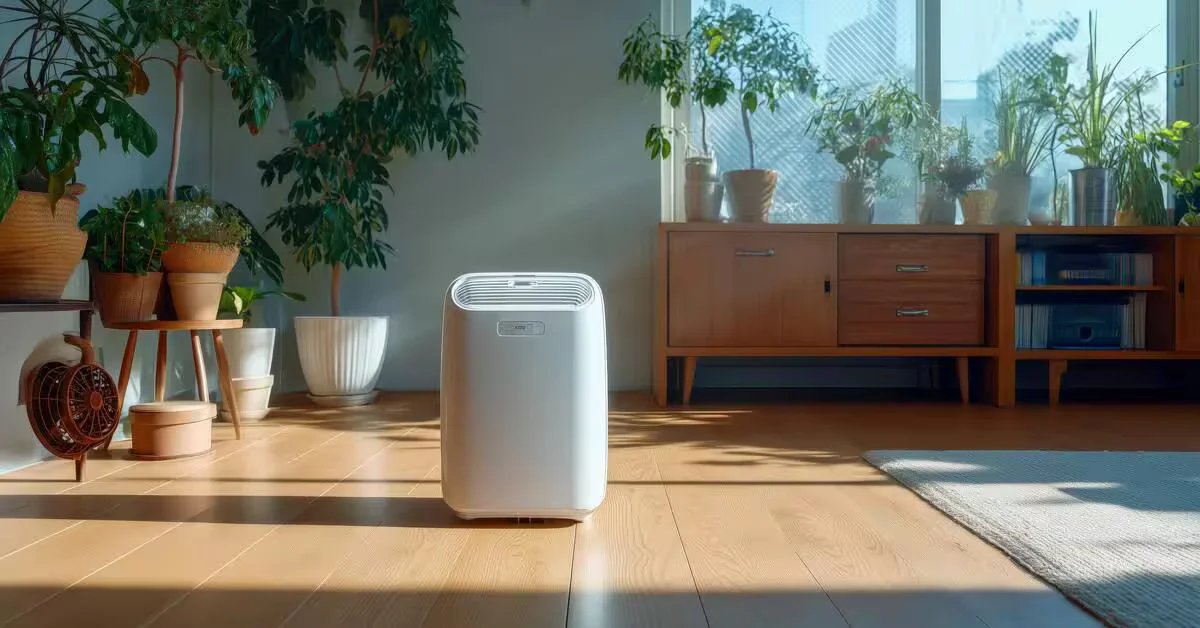
Most conventional air purifiers use a combination of filters, each designed to tackle a different category of pollutants.
The first stage is usually a pre-filter, which captures larger particles such as dust, hair, pet fur and other visible debris.
The next stage often involves an activated carbon filter. Unlike particulate filters, which trap solid particles, activated carbon works by adsorption, a process in which gaseous pollutants and odour-causing molecules stick to the carbon’s surface. This process can help reduce cooking smells, smoke and certain volatile organic compounds (VOCs) released by household products such as paints, cleaning agents and adhesives.
The most important stage for removing fine airborne particles is generally the HEPA (High Efficiency Particulate Air) filter. Made from densely arranged fibres, HEPA filters trap tiny particles as air passes through them. These include fine dust, pollen, mould spores and other airborne contaminants.
According to Eurovent Certita Certification, HEPA filters should remove at least 99.95 per cent of airborne particles under the relevant testing conditions. This makes HEPA filtration particularly relevant when dealing with particulate pollution, including PM2.5.
Some air purifiers also incorporate additional technologies such as ultraviolet (UV) light, ionisers and electrostatic filtration. These technologies work differently from conventional mechanical filters. However, certain ionisation and photocatalytic systems can generate ozone or other potentially harmful by-products, making it important to check the technology used in a device.
What should consumers look for when buying an air purifier?
The presence of a HEPA filter alone does not determine how effectively an air purifier will clean a room. Its overall performance also depends on how much air it can process, the quality of its filtration system, and whether it is suitable for the size of the room.
An undersized purifier may take considerably longer to clean the air, while a model with adequate capacity can circulate and filter indoor air more effectively. Since walls, doors, and furniture restrict airflow between rooms, one purifier is generally better suited to a single room rather than an entire house.
Consumers should also consider the maintenance requirements. Filters accumulate dust and pollutants over time and require periodic cleaning or replacement, depending on the type of filter and the manufacturer’s recommendations. A clogged filter can restrict airflow and reduce the device’s effectiveness.
Modern air purifiers increasingly come with sensors that monitor changes in indoor air quality. While some models offer multiple operating modes, those equipped with an automatic mode use sensor readings to regulate fan speed according to pollution levels in the room. The fan speed increases when pollution levels rise and decreases as the air becomes cleaner. Some models also offer app-based controls and real-time air quality displays, allowing users to monitor indoor air quality and adjust settings remotely.
However, an air purifier is not a substitute for addressing the source of pollution or maintaining appropriate ventilation. Opening windows during periods of high outdoor pollution can also allow more contaminants to enter the home.
About the Author