Following HC order, Bengal Assembly may begin winter session without LoP for first time
 The Apna Chhattisgarh
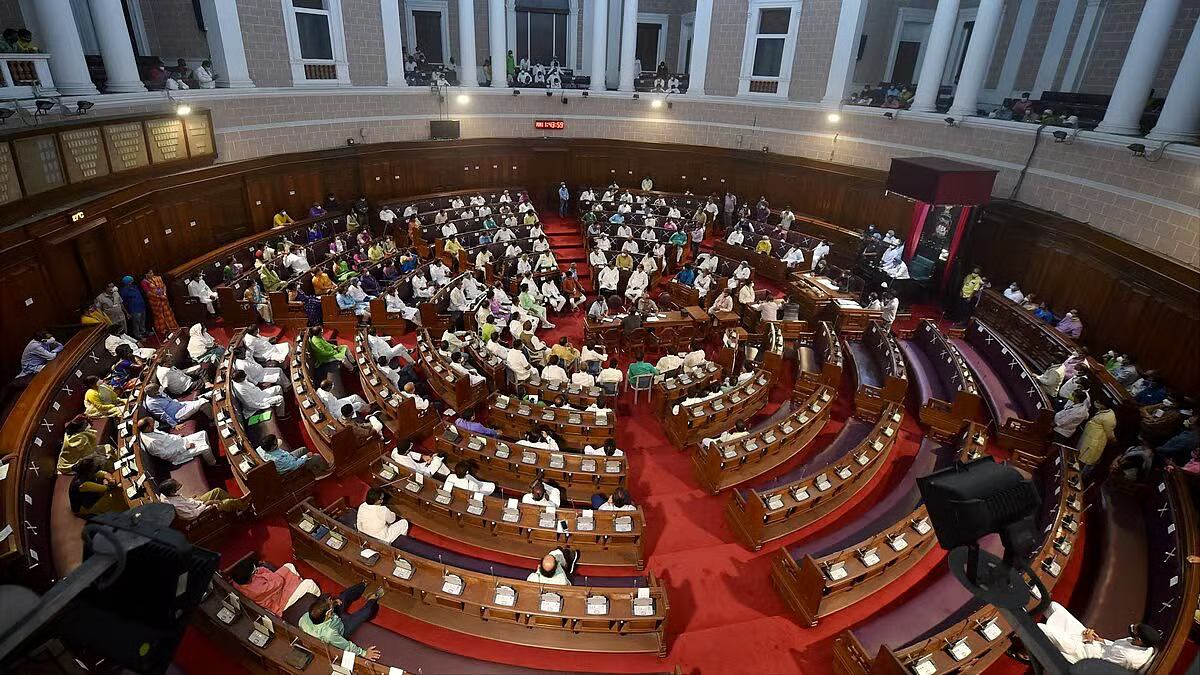
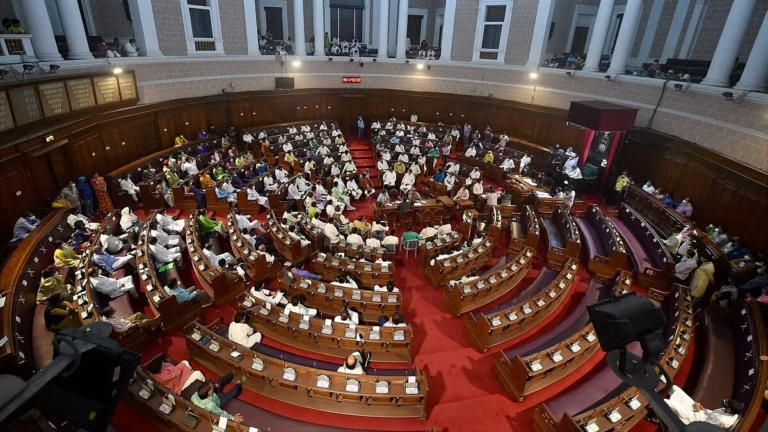
The West Bengal Assembly is staring at an unprecedented situation ahead of its winter session, with the possibility of functioning without a recognised Leader of the Opposition (LoP) for the first time in its history, as the split within the Trinamool Congress leaves Speaker Rathindra Bose facing a politically and procedurally difficult choice.
Bose must decide whether to recognise the nominee backed by the Mamata Banerjee-led faction or reconsider the claim of rebel MLA Ritabrata Banerjee, whose appointment as LoP has been set aside by the Calcutta High Court.
The court also quashed Akhruzzaman’s appointment as Chief Whip and directed the Speaker to reconsider both appointments in accordance with law within 10 days.
The winter session begins on December 4 and runs until December 14. With the court’s deadline falling around December 7, the House could convene without a recognised LoP. The order has left the post vacant but has not prescribed how the Speaker should settle the rival claims.
𝗦𝗽𝗲𝗮𝗸𝗲𝗿 𝗳𝗮𝗰𝗲𝘀 𝗽𝗿𝗼𝗰𝗲𝗱𝘂𝗿𝗮𝗹 𝗱𝗶𝗹𝗲𝗺𝗺𝗮
The predicament goes beyond choosing between two individuals. Both groups draw strength from MLAs elected on the Trinamool Congress ticket, but the party has since split into rival organisations with separate names, symbols and competing claims.
A former legislator, elected to the Assembly eight times, said the decision rested with the Speaker, while emphasising the importance of the party’s formal communication.
“Now it is for the Speaker to decide. Who will be the Leader of the Opposition is decided by the party which informs the Speaker about its decision. Both the MLAs from the Mamata camp and the opposition MLAs were elected on the name and symbol of the TMC. There is no provision for holding a floor test to elect the LoP. But, in the House, the Speaker is supreme,” the former MLA said.
He also flagged another complication if Bose were to again favour Ritabrata Banerjee, pointing to questions surrounding his current political affiliation and the original party leadership’s formal communication proposing Sovandeb Chattopadhyay for the post.
The Speaker could examine the rival claims, party communications and supporting documents before issuing a reasoned decision within the stipulated deadline.
While a floor test has figured in political discussions, the court has not directed one.
“The post is not filled through a confidence motion like the no-confidence motion against government; the Speaker must consider applicable rules, conventions, party position and the court’s direction,” the former legislator said.
𝗛𝗼𝘄 𝘁𝗵𝗲 𝗹𝗲𝗮𝗱𝗲𝗿𝘀𝗵𝗶𝗽 𝗱𝗶𝘀𝗽𝘂𝘁𝗲 𝗯𝗲𝗴𝗮𝗻
The Mamata Banerjee-led faction had proposed senior MLA Sovandeb Chattopadhyay as LoP, while the dissident camp backed Ritabrata Banerjee.
Bose recognised Ritabrata on June 3 after the rebel group claimed the support of 58 of the Trinamool Congress’s 80 MLAs. Chattopadhyay subsequently challenged the decision, arguing that the party leadership had already formally communicated his nomination.
The high court’s ruling triggered the vacancy, holding the appointments of Ritabrata as LoP and Akhruzzaman as Chief Whip unsustainable under law. However, it did not adjudicate the rival factions’ claims to the party’s name or symbol.
𝗧𝗿𝗶𝗻𝗮𝗺𝗼𝗼𝗹 𝘀𝗽𝗹𝗶𝘁 𝗱𝗲𝗲𝗽𝗲𝗻𝘀
The split followed the Trinamool Congress’s defeat in the May Assembly elections and subsequently developed into a struggle for control of the party and its legislature group.
In June, around 60 of its 80 MLAs backed Ritabrata Banerjee’s claim, rejecting the Mamata camp’s nominee. The dissidents later elected senior MLA Arup Roy as chairperson and announced a parallel organisational structure.
The rupture also spread to Parliament. Twenty of the party’s 27 Lok Sabha MPs, led by Kakoli Ghosh Dastidar, broke away, aligned with the NCPI and wrote to Lok Sabha Speaker Om Birla declaring a separate parliamentary bloc and extending support to the BJP-led National Democratic Alliance (NDA).
The dispute consequently widened into a contest over the party’s political identity, organisational control and legislative allegiance.
𝗘𝗖’𝘀 𝗶𝗻𝘁𝗲𝗿𝘃𝗲𝗻𝘁𝗶𝗼𝗻 𝗮𝗱𝗱𝘀 𝘁𝗼 𝗰𝗼𝗺𝗽𝗹𝗲𝘅𝗶𝘁𝗶𝗲𝘀
The Election Commission’s intervention on September 17 added another dimension to the dispute. It temporarily barred both factions from using the Trinamool Congress name and its twin-flowers-on-grass symbol for the West Bengal bypolls.
The poll panel subsequently allotted the name Mamata All India Trinamool Congress (MAITC) and the Football Player symbol to the Mamata Banerjee-led faction, while allotting the Democratic Trinamool Congress name and the Envelope symbol to the rival group.
The distinction complicates the Speaker’s task. Although legislators belonging to both camps were elected under the undivided Trinamool Congress banner, Ritabrata Banerjee’s current affiliation raises questions about the political party under which he can claim the LoP’s post.
The original party leadership’s formal communication proposing Chattopadhyay could also assume significance during the reconsideration process.
𝗦𝗽𝗲𝗮𝗸𝗲𝗿’𝘀 𝗮𝘂𝘁𝗵𝗼𝗿𝗶𝘁𝘆 𝘂𝗻𝗱𝗲𝗿 𝘀𝗰𝗿𝘂𝘁𝗶𝗻𝘆
The controversy has revived questions surrounding the Speaker’s authority and judicial scrutiny of legislative decisions.
The Assembly had previously witnessed a legal dispute over Mukul Roy’s appointment as chairman of the Public Accounts Committee during the previous Trinamool Congress government.
During the 2016-2021 Assembly, then LoP Abdul Mannan had approached the high court, alleging that the Speaker had delayed action on petitions seeking the disqualification of Congress MLAs who had joined the Trinamool Congress.
Although the court urged an early decision, the proceedings remained unresolved.
For Bose, the immediate challenge is to comply with the high court’s deadline and resolve the leadership question. A decision favouring either faction could invite further objections, while a delay could leave the Assembly without a recognised opposition leader during its winter session.
For the rival factions, the contest extends beyond a legislative designation. Recognition of their respective nominee would strengthen their claim to represent the elected legislators of the erstwhile undivided Trinamool Congress.
The Speaker’s decision could, therefore, have consequences beyond the winter session, influencing the continuing battle over the political and legislative identity of the two factions.
About the Author