EC directs BLOs to verify voter details flagged against SIR data during ongoing roll revision
 The Apna Chhattisgarh
The Election Commission of India (ECI) on Wednesday directed Chief Electoral Officers (CEOs) of 26 states and Union Territories to identify and rectify potentially erroneous entries in electoral rolls during the ongoing Special Summary Revision (SSR), amid complaints of discrepancies in voter records following the Special Intensive Revision (SIR).
In a communication dated November 25, the Commission instructed electoral authorities to cross-check existing voter records against information collected during the SIR exercise.
The verification will cover voters’ names, relationship particulars, dates of birth, mobile numbers and photographs. Discrepancies identified during the comparison will be flagged for further examination and necessary corrective action.
𝗕𝗟𝗢𝘀 𝘁𝗼 𝘃𝗶𝘀𝗶𝘁 𝗰𝗼𝗻𝗰𝗲𝗿𝗻𝗲𝗱 𝘃𝗼𝘁𝗲𝗿𝘀
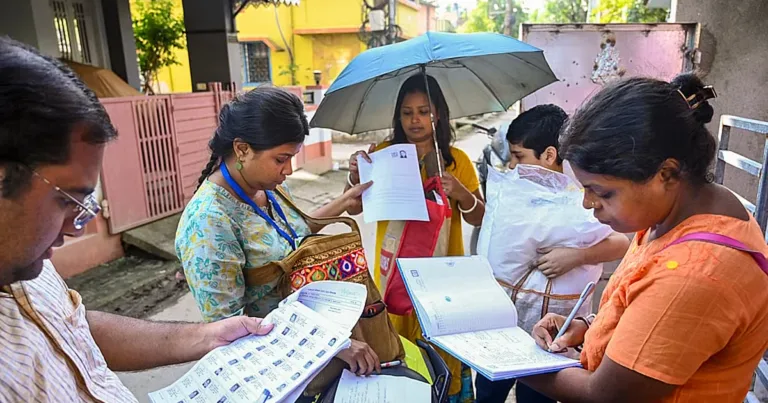
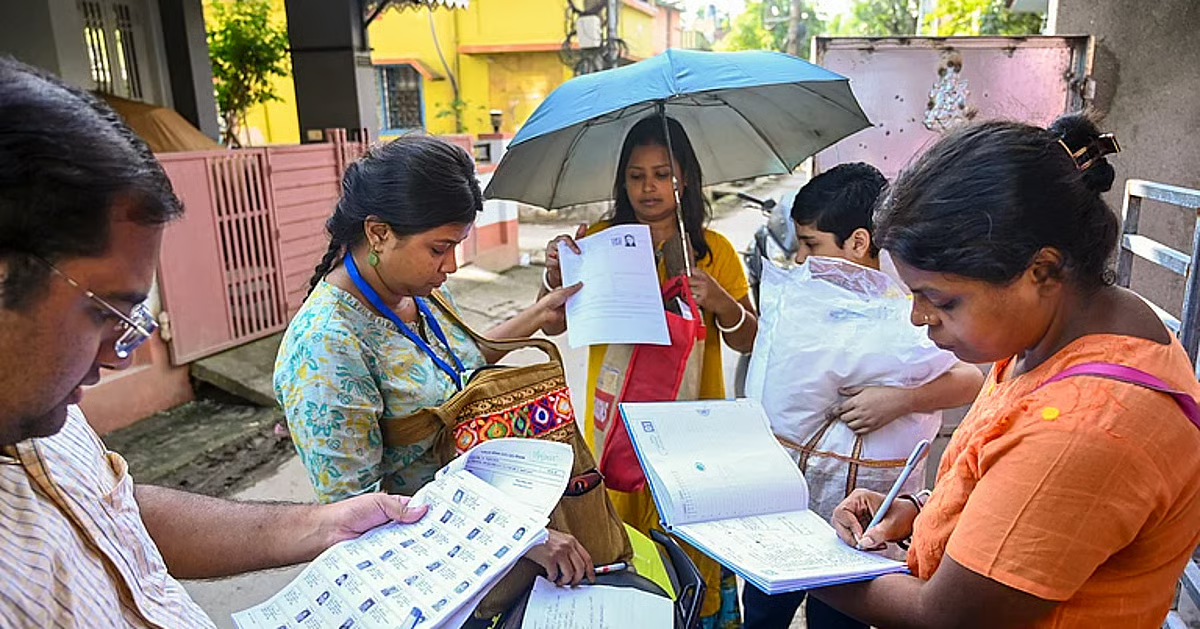
Under the fresh directions, Booth Level Officers (BLOs) will visit electors whose records have been flagged for discrepancies and verify their particulars.
Where corrections are necessary, officials will obtain completed and signed Form 8 applications from the concerned voters.
The applications will subsequently be scrutinised and processed by Electoral Registration Officers (EROs) and Assistant Electoral Registration Officers (AEROs) in accordance with established procedures.
𝗡𝗼 𝗮𝘂𝘁𝗼𝗺𝗮𝘁𝗲𝗱 𝗰𝗵𝗮𝗻𝗴𝗲𝘀 𝘁𝗼 𝘃𝗼𝘁𝗲𝗿 𝗿𝗲𝗰𝗼𝗿𝗱𝘀
The Election Commission categorically ruled out automatic alterations to electoral records based solely on discrepancies identified through digital systems.
“No changes shall be made solely on the basis of automated identification,” the Commission said.
Corrections to demographic information will require the concerned elector’s signature on Form 8 and subsequent verification and authorisation.
The entire exercise will be undertaken through designated modules for electoral registration officials on the ECINet platform. Chief Electoral Officers have been instructed to ensure strict compliance with the directions.
𝗗𝗶𝗿𝗲𝗰𝘁𝗶𝗼𝗻𝘀 𝗶𝘀𝘀𝘂𝗲𝗱 𝘁𝗼 𝟮𝟲 𝘀𝘁𝗮𝘁𝗲𝘀 𝗮𝗻𝗱 𝗨𝗧𝘀
The directive applies to electoral authorities in Assam, Bihar, West Bengal, Uttar Pradesh, Gujarat, Rajasthan, Tamil Nadu, Kerala, Karnataka, Madhya Pradesh, Chhattisgarh, Punjab, Uttarakhand, Goa, Odisha, Manipur, Mizoram, Meghalaya, Sikkim, Arunachal Pradesh, Andaman and Nicobar Islands, Lakshadweep, Puducherry, Chandigarh, Dadra and Nagar Haveli and Daman and Diu.
The latest communication follows earlier instructions issued by the Commission on October 15, November 4 and November 16 regarding the ongoing SSR, for which January 1, 2027, has been designated as the qualifying date.
𝗥𝗲𝘃𝗶𝘀𝗶𝗼𝗻 𝗮𝗵𝗲𝗮𝗱 𝗼𝗳 𝟮𝟬𝟮𝟳 𝗔𝘀𝘀𝗲𝗺𝗯𝗹𝘆 𝗲𝗹𝗲𝗰𝘁𝗶𝗼𝗻𝘀
According to the Election Commission’s October 15 notification, the SSR in the initial 17 states and Union Territories is being conducted under Section 21 of the Representation of the People Act, 1950.
The integrated draft electoral rolls were scheduled for publication on November 12, with claims and objections invited until December 11.
The disposal of claims and objections is scheduled to conclude by December 28, while the final electoral rolls are scheduled for publication on January 4, 2027.
The exercise also facilitates the registration of eligible first-time voters, including in states where Assembly elections are due early next year.
About the Author