Delhi to set up 540 EV chargers at 180 locations under Rs 62 crore infrastructure push
 The Apna Chhattisgarh
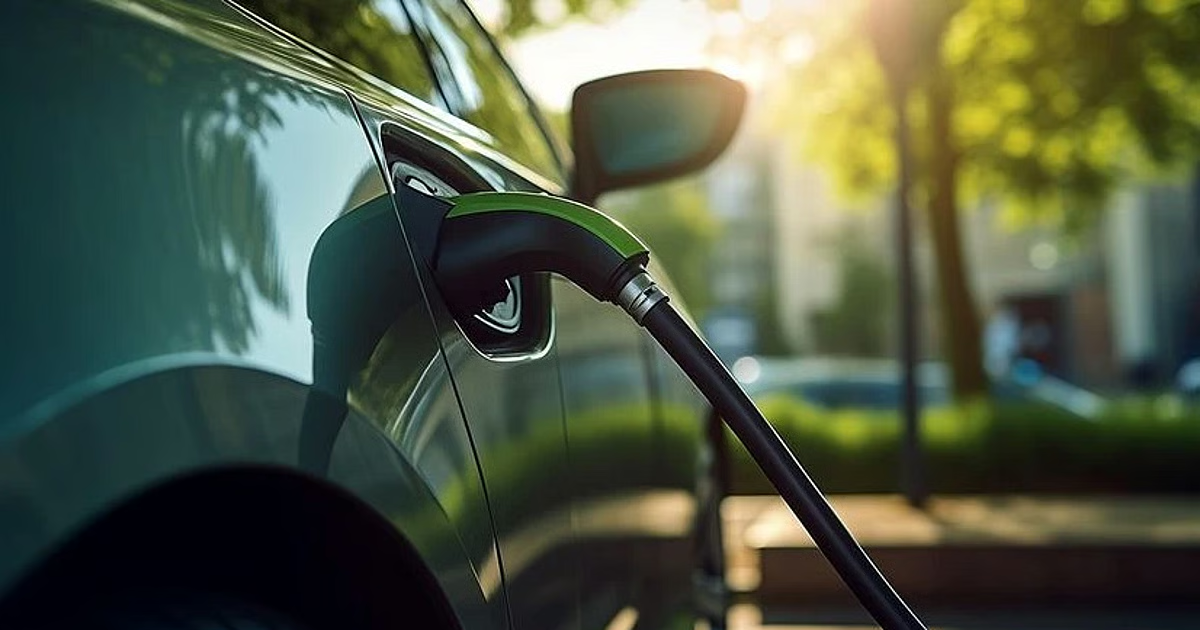
The Delhi government will install 540 electric vehicle (EV) chargers at 180 locations across the national capital at an estimated cost of Rs 62 crore, as part of its efforts to accelerate electric mobility and reduce vehicular emissions, officials said on Wednesday.
Delhi Transco Limited (DTL), the government’s nodal agency for public EV charging infrastructure, has initiated the process of appointing operators to establish and operationalise the charging stations under the Centre’s PM E-DRIVE scheme.
The project will be developed in accordance with the charger configuration approved by the Ministry of Heavy Industries.
𝗧𝗵𝗿𝗲𝗲 𝗰𝗵𝗮𝗿𝗴𝗲𝗿𝘀 𝗮𝘁 𝗲𝗮𝗰𝗵 𝗹𝗼𝗰𝗮𝘁𝗶𝗼𝗻
According to an official document, each of the 180 locations will be equipped with three chargers catering to different categories of electric vehicles.
The charging infrastructure at each site will comprise:
-
One 12 kW charger with two charging guns for electric two-wheelers and three-wheelers.
-
One 60 kW charger with two charging guns for electric four-wheelers and N1-category commercial goods carriers weighing up to 3.5 tonnes.
-
One 120 kW fast charger with two charging guns.
The proposed infrastructure will collectively provide 1,080 charging guns across the national capital.
Provision for additional charging capacity, subject to site and power availability, will allow the network to respond to growing demand.
𝟭𝟴𝟬 𝘀𝗶𝘁𝗲𝘀 𝗱𝗶𝘃𝗶𝗱𝗲𝗱 𝗶𝗻𝘁𝗼 𝘁𝘄𝗼 𝗽𝗮𝗰𝗸𝗮𝗴𝗲𝘀
The shortlisted locations have been divided into two geographical packages comprising 90 sites each.
Package 1 will primarily cover western and northern Delhi, while Package 2 will cater to southern, central and eastern parts of the national capital, including New Delhi.
In Central Delhi, the shortlisted locations have been grouped into two geographical clusters.
Six sites are located around Inderlok, Pratap Nagar, Shahi Idgah and Kamla Market/Lok Nayak Jai Prakash (LNJP) Hospital, while two co-located sites have been identified at Rajghat.
𝗘𝗩 𝗿𝗲𝗴𝗶𝘀𝘁𝗿𝗮𝘁𝗶𝗼𝗻 𝗺𝗮𝗻𝗱𝗮𝘁𝗲𝘀 𝗳𝗿𝗼𝗺 𝟮𝟬𝟮𝟳
The expansion of charging infrastructure comes ahead of phased electrification mandates under the Delhi EV Policy 2026.
From January 1, 2027, only electric three-wheelers belonging to the L5 category and electric N1-category goods carriers will be eligible for new registration in Delhi.
Similarly, from April 1, 2028, only electric two-wheelers will be eligible for new registration in the national capital.
These mandates are expected to substantially increase demand for public charging facilities, particularly fast chargers catering to commercial and high-use vehicles.
The Commission for Air Quality Management (CAQM) has also prescribed a target of establishing 32,062 EV charging points across Delhi in a phased manner by December 2029.
𝗘𝗹𝗲𝗰𝘁𝗿𝗶𝗰 𝗺𝗼𝗯𝗶𝗹𝗶𝘁𝘆 𝘁𝗼 𝘁𝗮𝗰𝗸𝗹𝗲 𝗮𝗶𝗿 𝗽𝗼𝗹𝗹𝘂𝘁𝗶𝗼𝗻
Road transport remains a significant contributor to Delhi’s persistent air pollution problem.
According to the official document, electrification of high-use vehicle segments, including two-wheelers, three-wheelers, commercial goods carriers and vehicle fleets, is central to the government’s efforts to improve air quality.
The Delhi EV Policy 2026 seeks to accelerate electric vehicle adoption through purchase and scrapping incentives, exemptions from road tax and registration fees, phased electrification mandates and expansion of charging and battery swapping infrastructure.
Officials said achieving these objectives would require the public charging network to expand in tandem with EV adoption while ensuring reliable, safe and accessible services.
User confidence, they said, would depend on the availability of suitable and operational chargers, along with convenient charging and payment mechanisms.
𝗥𝘀 𝟮,𝟬𝟬𝟬 𝗰𝗿𝗼𝗿𝗲 𝗽𝘂𝘀𝗵 𝘂𝗻𝗱𝗲𝗿 𝗣𝗠 𝗘-𝗗𝗥𝗜𝗩𝗘
The project will receive support under the Centre’s PM Electric Drive Revolution in Innovative Vehicle Enhancement (PM E-DRIVE) scheme, which was approved with an overall outlay of Rs 10,900 crore over two years.
The scheme earmarks Rs 2,000 crore for establishing public fast charging infrastructure across the country.
The Ministry of Heavy Industries intends to provide an 80 per cent capital subsidy on upstream infrastructure required for setting up public fast charging stations.
The financial assistance is aimed at reducing initial investment costs and improving the commercial viability of charging infrastructure projects.
𝗢𝘃𝗲𝗿 𝟮𝟮,𝟬𝟬𝟬 𝗳𝗮𝘀𝘁 𝗰𝗵𝗮𝗿𝗴𝗲𝗿𝘀 𝗽𝗹𝗮𝗻𝗻𝗲𝗱 𝗻𝗮𝘁𝗶𝗼𝗻𝘄𝗶𝗱𝗲
Under the PM E-DRIVE scheme, the Centre has proposed installing an additional 22,100 public fast chargers of 60 kW and above to cater to electric four-wheelers.
Of these, approximately 18,900 chargers will be installed in cities and 3,200 along highways.
The scheme will also support the establishment of public fast charging facilities for electric two-wheelers and three-wheelers in urban areas.
Additionally, 1,800 fast chargers with capacities of 240 kW and above have been proposed for electric buses and trucks, including approximately 1,600 along identified highways and 200 in cities.
𝗖𝗵𝗮𝗿𝗴𝗶𝗻𝗴 𝘀𝘁𝗮𝘁𝗶𝗼𝗻𝘀 𝗮𝘀 𝗮 𝗱𝗲-𝗹𝗶𝗰𝗲𝗻𝘀𝗲𝗱 𝗮𝗰𝘁𝗶𝘃𝗶𝘁𝘆
The availability of adequate charging infrastructure has remained one of the major impediments to accelerating electric vehicle adoption in India.
The Ministry of Power’s Guidelines for Installation and Operation of Electric Vehicle Charging Infrastructure, 2024, designate the establishment of public charging stations as a de-licensed activity.
Under the guidelines, individuals and entities are permitted to establish public charging stations, provided they comply with technical standards, performance requirements and protocols prescribed by the ministry, the Central Electricity Authority (CEA) or the relevant state authorities.
The Delhi EV Policy 2026 has designated Delhi Transco Limited as the nodal agency responsible for planning, coordinating and implementing public EV charging and battery swapping infrastructure across the national capital.
About the Author