Legal notice to Sonia over Savarkar’s ‘distorted portrayal’ in her book; seeks unconditional apology
 The Apna Chhattisgarh
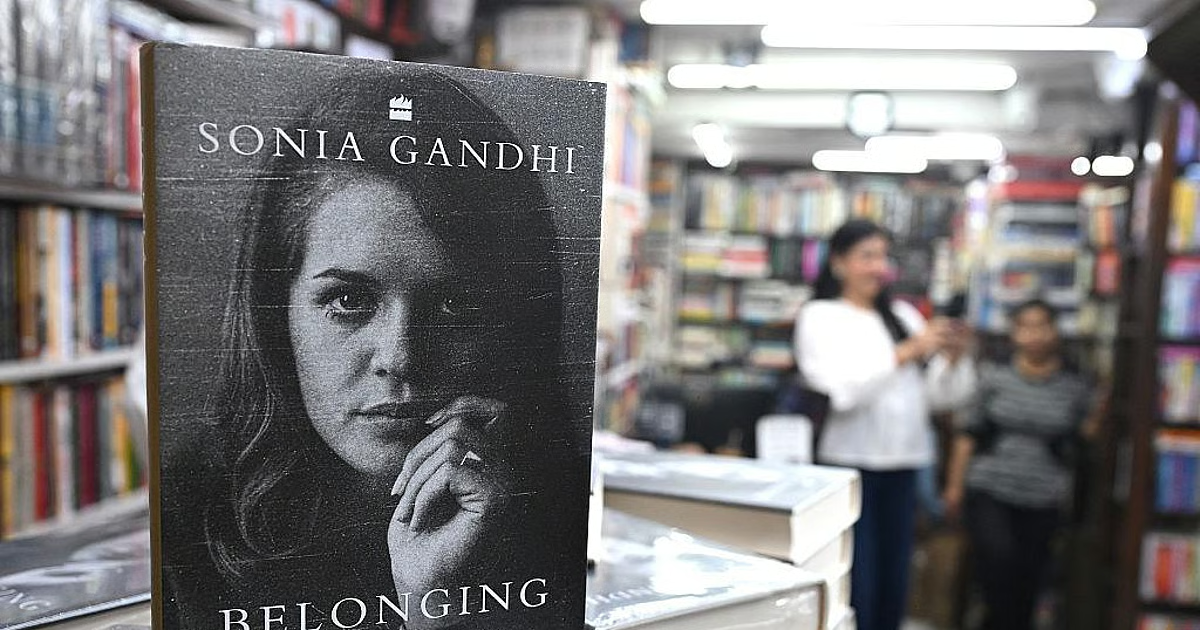
Vinayak Damodar Savarkar’s grandnephew has sent a legal notice to Congress leader Sonia Gandhi, seeking an unconditional apology, clarification and correction over statements about the freedom fighter in her memoir Belonging: A Journey of Love, alleging a “distorted portrayal”.
The legal notice, issued by advocate Sangram Kolhatkar on behalf of Satyaki Savarkar, objects to statements on pages 201 and 443 of the book, alleging that they are factually inaccurate, historically misleading, distorted and prejudicial to the reputation and legacy of VD Savarkar.
It asks Sonia Gandhi to comply with the demands within 15 days of receiving the legal notice. In case of failure or refusal to comply, Satyaki Savarkar may initiate appropriate legal proceedings before a competent court or authority, the notice states.
According to the notice, Satyaki Savarkar recently came across the book, authored by Sonia Gandhi and published by HarperCollins Publishers India, reportedly on November 10, and was disturbed by the statements concerning VD Savarkar.
𝗢𝗯𝗷𝗲𝗰𝘁𝗶𝗼𝗻𝘀 𝘁𝗼 𝗺𝗲𝗺𝗼𝗶𝗿
The notice cites a statement appearing on page 201 of the book: “While Congress freedom fighters were enduring assaults and imprisonment at the hands of the British rulers, senior ideologues of the RSS like Vinayak Damodar Savarkar were writing mercy petitions to their colonial masters, and their members were colluding with the British authorities as informers.”
Another statement, appearing on page 443, reads: “A contrary vision, articulated by Gandhiji’s contemporary Vinayak Damodar Savarkar, the founder of the ideology known as Hindutva, views India as primarily a nation where Hindus are supreme-an outlook espoused by the RSS, the BJP, and their numerous affiliates across the country known collectively as the ‘Sangh Parivar,’ or ‘Family of the RSS’.”
The notice alleges that the statement on page 201 creates an impression that VD Savarkar was associated with or responsible for informing upon or collaborating with British authorities against Indian freedom fighters.
It disputes this implication, arguing that it is unsupported by the historical context in which Savarkar’s imprisonment, petitions and political activities must be examined.
The notice states that Savarkar underwent prolonged imprisonment and severe hardships during British colonial rule, including incarceration in the Cellular Jail in the Andaman Islands.
It argues that references to petitions submitted during his imprisonment, without examining the circumstances and historical background, present an incomplete and distorted account of his life and political struggle.
𝗜𝗱𝗲𝗼𝗹𝗼𝗴𝗶𝗰𝗮𝗹 𝗽𝗼𝗿𝘁𝗿𝗮𝘆𝗮𝗹 𝗱𝗶𝘀𝗽𝘂𝘁𝗲𝗱
The notice also objects to the statement on page 443, alleging that Savarkar’s political and ideological philosophy has been portrayed as a vision of India in which Hindus are supreme.
It describes this characterisation as an oversimplification and misrepresentation of his political thought, arguing that his writings, speeches and philosophy require examination in their proper historical, intellectual and political context.
According to the notice, the statements on pages 201 and 443, when read together, convey a distorted portrayal of Savarkar’s participation in India’s freedom struggle and his political philosophy.
It claims that these statements could mislead readers and create an unjustified adverse impression of his historical reputation and legacy.
𝗜𝗻𝗱𝗶𝗿𝗮 𝗚𝗮𝗻𝗱𝗵𝗶’𝘀 𝗮𝗰𝘁𝗶𝗼𝗻𝘀 𝗰𝗶𝘁𝗲𝗱
The notice refers to official actions taken by the Government of India during former Prime Minister Indira Gandhi’s tenure, as well as her personal contributions, which it says recognised Savarkar as a patriot and freedom fighter.
It cites the issuance of a special commemorative postage stamp honouring Savarkar and a personal contribution of Rs 11,000 by Indira Gandhi from her bank account towards the Swatantryaveer Savarkar Rashtriya Smarak.
The notice also mentions the recognition of activists imprisoned during the Bhaganagar (Hyderabad) Unarmed Resistance Movement led by Savarkar as freedom fighters.
It further refers to the commissioning of an official biographical documentary by the Films Division of India in 1983, marking Savarkar’s birth centenary.
According to the notice, these official actions and Indira Gandhi’s personal contribution demonstrate recognition of Savarkar’s patriotism.
It calls upon Sonia Gandhi to explain how the statements appearing on page 201 can be reconciled with these records and actions.
𝗔𝗽𝗼𝗹𝗼𝗴𝘆 𝗮𝗻𝗱 𝗰𝗼𝗿𝗿𝗲𝗰𝘁𝗶𝗼𝗻𝘀 𝘀𝗼𝘂𝗴𝗵𝘁
The notice alleges that publishing the statements without adequate historical context or substantiation could perpetuate misconceptions among the public.
It asks Sonia Gandhi either to substantiate the assertions through authentic historical material or acknowledge the alleged inaccuracies and misleading implications and take corrective measures.
The notice seeks a written, unequivocal and unconditional apology concerning the statements on pages 201 and 443, along with a public clarification explaining their historical basis, context and intended meaning.
It also demands that Sonia Gandhi acknowledge and correct any factual inaccuracies or misleading implications.
Additionally, it calls upon her to take appropriate steps, in consultation with HarperCollins Publishers India, to “correct, suitably qualify or withdraw the objectionable statements from subsequent editions, reprints and electronic versions of the publication”.
About the Author