Hasina’s return plan sparks political turmoil in Bangladesh; PM Rahman meets NCP leaders
 The Apna Chhattisgarh
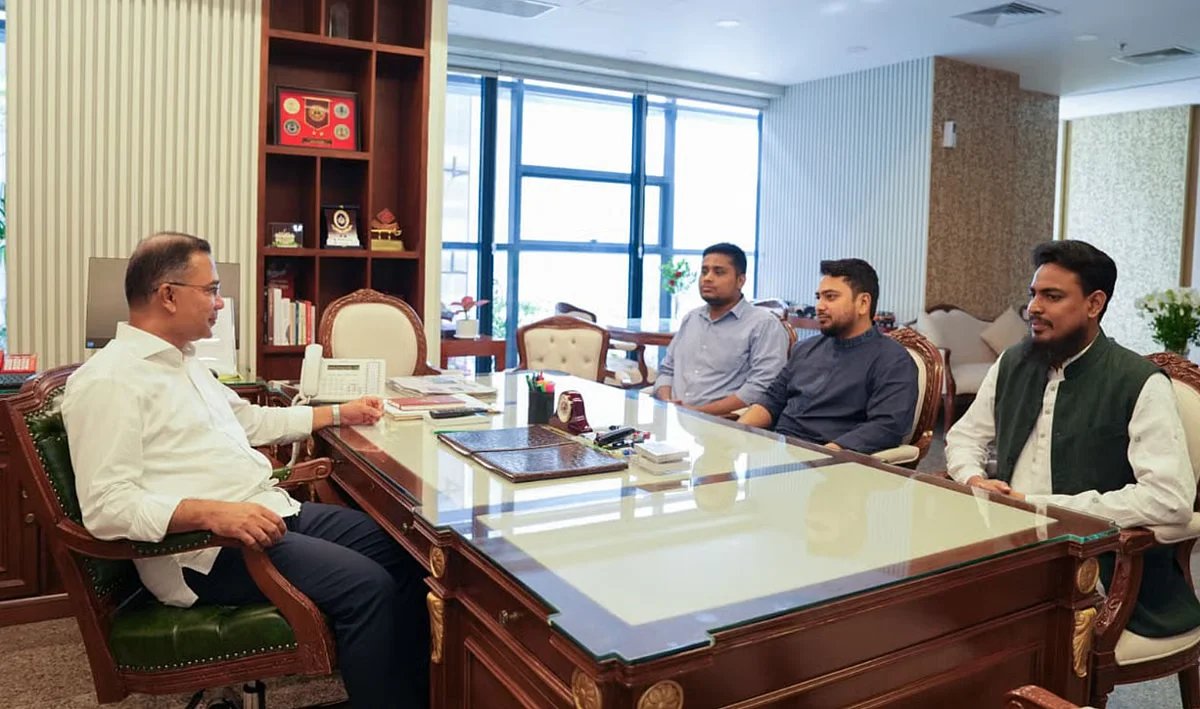
Former Bangladesh Prime Minister Sheikh Hasina’s announcement that she intends to return to the country in December has intensified political tensions, prompting Prime Minister Tarique Rahman to hold talks with leaders of the National Citizen Party (NCP), which emerged from the student-led uprising of July 2024.
A four-member NCP delegation, led by party convener Nahid Islam, met Rahman at the Secretariat on Monday amid growing unrest and political uncertainty surrounding Hasina’s proposed return from India, where she has been living since her government was ousted in August 2024.
The delegation included NCP Member Secretary Akhter Hossen and senior leaders Hasnat Abdullah and Akram Hossain. The discussions focused on the deteriorating law-and-order situation, political unity, constitutional reforms and Bangladesh’s relations with India.
The meeting came as Hasina’s banned Awami League continued efforts to mobilise supporters following her announcement of a possible return in December.
𝗡𝗖𝗣 𝘀𝗲𝗲𝗸𝘀 𝗛𝗮𝘀𝗶𝗻𝗮’𝘀 𝗿𝗲𝘁𝘂𝗿𝗻
Speaking to reporters after the meeting, Nahid Islam said the NCP had urged the government to bring Hasina back from India and implement the court verdict against her.
Hasina was sentenced to death in absentia by Bangladesh’s International Crimes Tribunal in 2025 over crimes against humanity linked to the violent crackdown on the 2024 student-led protests. She has denied the allegations.
Nahid said any effort to build national political unity must prioritise the July uprising, reforms, justice and national sovereignty.
He alleged that the law-and-order situation had deteriorated over recent months and that political activists and leaders associated with the uprising were facing security threats.
The NCP also called for the dissolution of the constitution amendment committee, alleging that its composition was obstructing the implementation of the July National Charter and the referendum verdict.
According to Nahid, Rahman agreed to consider the party’s recommendations and expressed willingness to continue discussions.
𝗩𝗶𝗼𝗹𝗲𝗻𝗰𝗲 𝗮𝗺𝗶𝗱 𝗿𝗲𝘁𝘂𝗿𝗻 𝗯𝘂𝘇𝘇
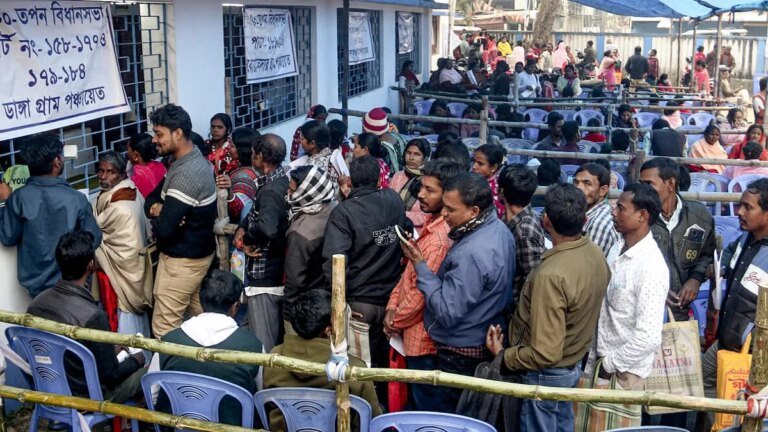
Hasina’s announcement has sparked renewed political activity among Awami League supporters, with protests, shutdown calls and demonstrations reported across several parts of Bangladesh.
The unrest intensified after the government rejected her request for a new passport and national identity card, maintaining that her return must take place through the existing extradition arrangements with India.
Violent incidents have included arson attacks, crude-bomb explosions and damage to public and private property. Security forces have been deployed in several areas to contain the unrest.
At least four people have been killed in the recent violence, according to reports, while both the government and the Awami League have blamed each other for the disturbances.
The Awami League remains banned from political activities, although sections of its leadership have continued to organise programmes demanding the restoration of political rights and the release of detained supporters.
𝗜𝗻𝗱𝗶𝗮 𝘁𝗶𝗲𝘀 𝘂𝗻𝗱𝗲𝗿 𝘀𝗰𝗿𝘂𝘁𝗶𝗻𝘆
The controversy has also placed Bangladesh’s relations with India under renewed scrutiny, with Dhaka seeking Hasina’s extradition under the bilateral treaty.
Nahid accused India of sheltering Hasina and alleged that Awami League activities were contributing to instability in Bangladesh. These allegations have not been independently established.
The NCP also urged the government to adopt a firm position in negotiations with India over the Ganges water-sharing agreement, which is approaching expiry.
Meanwhile, analysts have questioned whether Hasina’s proposed December return is feasible, given her conviction, the government’s refusal to issue travel documents and the absence of any publicly confirmed arrangement between Dhaka and New Delhi.
Some observers believe the announcement could be intended to revive political support for the Awami League, while party leaders themselves have acknowledged uncertainty over how her return would be arranged.
Bangladesh authorities have maintained that Hasina would face arrest and legal consequences if she returned, leaving her proposed comeback uncertain amid continuing political unrest.
About the Author