
Rajasthan’s rabi sowing tumbles amid rainfall deficit, wheat and gram lag | Agriculture
 The Apna Chhattisgarh
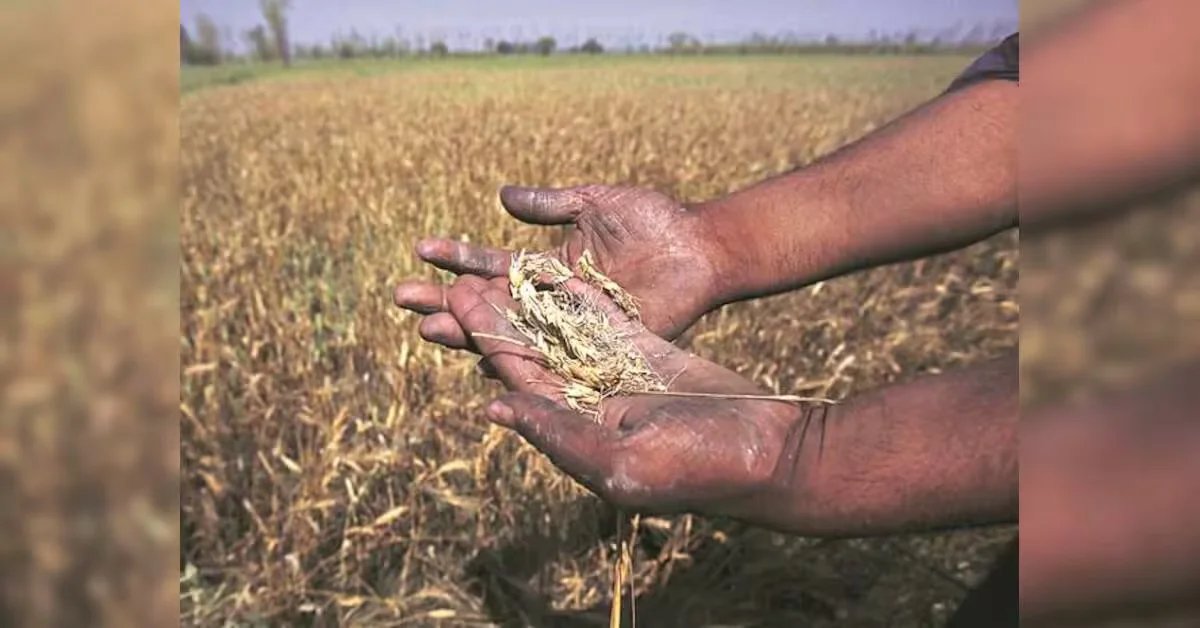
Due to a poor monsoon in Rajasthan this season, sowing of rabi or winter crops in the state appears to be in jeopardy, agriculture experts said.
Among the major rabi crops, only mustard has seen decent sowing, while sowing of wheat, gram, and barley has not even reached half of the state’s targets, experts said.
According to Agriculture Department data, as of November 16, 77 per cent of the targeted area for mustard has been sown in the state.
In contrast, wheat, barley, and gram have reached only 21 per cent, 28 per cent, and 32 per cent of their respective sowing targets.
The state agriculture department had aimed to sow mustard on 3.75 million hectares, however, it has been sown across 2.87 million hectares. In the last season, it was sown across 3.76 million hectares.
Anil Chatar, a mustard trader in Jaipur notes that mustard sowing continues until the end of November. A drop in temperature could lead to an increase in sowing, with a rise of up to 18 per cent.
“We expect that mustard sowing will eventually reach 95 per cent of the target – just 5 per cent less than last year,” Chatar said.
According to him, mustard requires less water than wheat or gram, prompting farmers to continue sowing it for as long as possible.
Given the water scarcity in the state, farmers are prioritising mustard cultivation, Chatar said.
Meanwhile, the target for gram sowing was kept at 2.15 million hectares, but only 0.69 million hectares have been sown so far.
The target for wheat sowing was set at 34.50 lakh hectares, but only 7.19 lakh hectares have been covered so far.
Pulse trader Shyam Natani said that this year, the monsoon neither arrived on time nor brought sufficient rainfall. Furthermore, temperatures soared up even after the monsoon onset, preventing the soil from retaining moisture. Consequently, the sowing area for almost all rabi crops has decreased.
The sowing area for barley has risen this season. A target of 4 lakh hectares has been set for barley cultivation, compared with 2.80 lakh hectares sown last year.
Rajasthan recorded a rainfall deficit of over 20 per cent this monsoon, the highest in 16 years, according to the state Disaster Management Department, triggering a drought-like situation across several parts of the state.
According to the India Meteorological Department (IMD), Pali and Jaisalmer recorded the highest rainfall deficits, at 58 per cent and 54 per cent below normal, respectively. Jalore recorded a deficit of 50 per cent, followed by Banswara at 39 per cent, and Sirohi at 36 per cent.
About the Author