CAG urges management of PSUs to treat cyber and IT security as core business risks
 The Apna Chhattisgarh
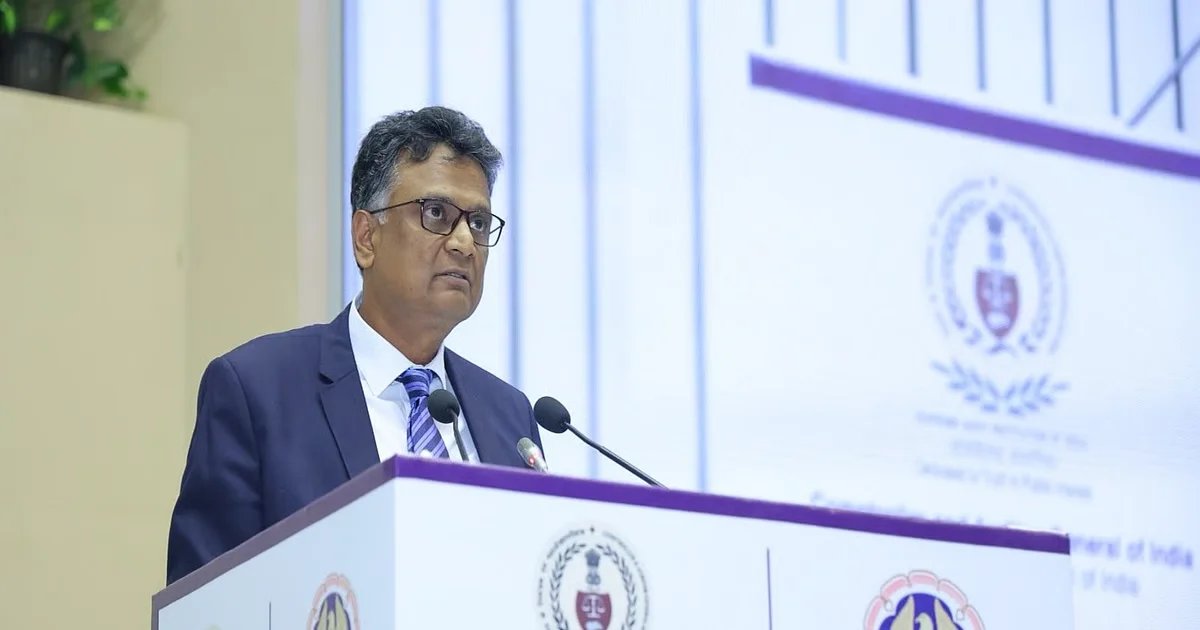
Comptroller and Auditor General (CAG) K Sanjay Murthy on Monday urged public sector undertakings (PSUs) to treat cybersecurity, IT security and data governance as core business risks, emphasising the need for stronger internal controls, transparent financial reporting and responsible adoption of artificial intelligence.
Addressing a national workshop on strengthening statutory audits in PSUs, organised by the Institute of Chartered Accountants of India (ICAI) under the CAG’s aegis, Murthy highlighted the importance of sound governance and financial management in public sector companies.
He urged statutory auditors to examine how financial data is generated, modified and transferred, use data analytics and assess cybersecurity risks affecting financial reporting. PSU managements, he said, must introduce appropriate safeguards and ensure strong oversight of AI-based systems.
𝗦𝘁𝗿𝗲𝗻𝗴𝘁𝗵𝗲𝗻𝗶𝗻𝗴 𝗮𝘂𝗱𝗶𝘁 𝗼𝘃𝗲𝗿𝘀𝗶𝗴𝗵𝘁
Murthy said managements were responsible for preparing accounts and maintaining the systems supporting them, while boards were tasked with ensuring the integrity of financial reporting. Statutory auditors provided independent assessments, and the CAG exercised oversight through supplementary audits and reports to Parliament and state legislatures.
He stressed that credible audits strengthened investor confidence and could reduce the cost of capital for public enterprises.
Outlining four priorities for statutory auditors, Murthy called for a deeper understanding of business operations, closer examination of financial information systems, timely communication of risks to audit committees and conclusions capable of withstanding scrutiny.
He said auditors must assess how enterprises generate revenue, identify financial vulnerabilities and examine assumptions that could materially affect financial statements.
𝗖𝘆𝗯𝗲𝗿 𝗿𝗶𝘀𝗸𝘀 𝗮𝗻𝗱 𝗱𝗮𝘁𝗮 𝗶𝗻𝘁𝗲𝗴𝗿𝗶𝘁𝘆
Highlighting the growing dependence on digital systems, Murthy said the reliability of financial accounts depended on who could access or modify information, how data moved between systems and whether complete audit trails were maintained.
He also urged auditors to alert audit committees to emerging financial stress and control weaknesses before they developed into serious crises.
Murthy emphasised that audit quality depended on timely preparation of reliable financial information, professional expertise and the effective use of technology.
He said audits should be evaluated not merely by compliance with standards but by their contribution to stronger controls, clearer accounts and better management decisions.
Deputy CAG A M Bajaj also highlighted the importance of independent statutory audits in ensuring transparency and accountability in PSU financial statements. He stressed compliance with CAG directions, timely reporting and professional scepticism.
Murthy concluded that well-governed public enterprises helped transform public investment into economic growth and social value, while credible audits strengthened public confidence in their functioning.
About the Author