ACME Group’s $3.6 bn green ammonia project in Odisha enters execution phase | Company News
 The Apna Chhattisgarh
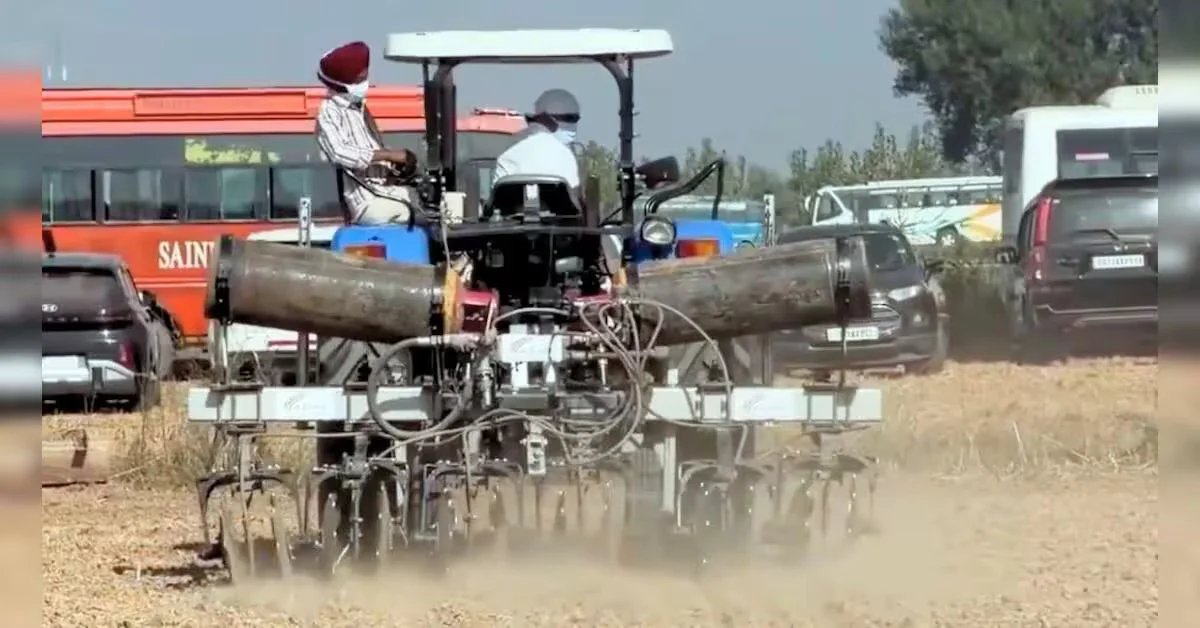
The proposed $3.6 billion green ammonia project in Odisha moved into the execution phase after Indian sustainable and renewable energy company ACME Group made the final investment decision (FID) to set up the plant, one of the largest facilities in the country.
The 760,000-tonne-per-annum facility, expected to be commissioned by 2029, will produce green ammonia using renewable energy and electrolyser-based green hydrogen, with long-term supply commitments already secured from domestic fertiliser manufacturers and Japanese buyers.
The project, which ACME described as the largest green ammonia facility in India to reach the investment decision stage, is expected to avoid more than 1.5 million tonnes of greenhouse gas emissions annually compared with conventional production pathways.
The investment decision is significant for India’s efforts to establish a commercially viable green hydrogen ecosystem, as large-scale projects move from announcements and preliminary agreements towards execution backed by assured offtake.
Manoj Kumar Upadhyay, chairman of ACME Group, said the investment decision marked a critical milestone in moving from ambition to execution at scale. Building on the learnings from its green ammonia project in Duqm, Oman, the Odisha facility will be able to produce competitive green molecules for diverse markets and applications, he said.
“The project is underpinned by long-term offtake commitments from customers in India, Japan and the European Union. We thank Brookfield for its confidence in the project as a marquee investor. Together, we are building a platform to help decarbonise hard-to-abate industries and strengthen energy security in India and globally,” Upadhyay said.
Green ammonia, produced using renewable electricity instead of fossil fuels, is considered a pathway to decarbonise fertiliser production, shipping, power generation and other industries that are difficult to electrify.
The Odisha project, with its scale, international technology partnership and access to buyers in multiple markets, adds substantial production capacity to India’s emerging green molecules pipeline.
The project will house a 2,200-tonne-per-day ammonia synthesis loop designed by Germany-based Thyssenkrupp Uhde, which ACME has roped in as its technology partner. The facility will operate entirely on renewable energy, producing green hydrogen through electrolysers before converting it into ammonia using the Haber-Bosch process.
It is also being designed to comply with the European Union’s Renewable Fuels of Non-Biological Origin (RFNBO) standards, potentially allowing the output to cater to markets with stringent green fuel certification requirements.
ACME has secured commitments to supply 370,000 tonnes of green ammonia annually to Indian fertiliser companies through the Solar Energy Corporation of India (SECI) under the Centre’s Strategic Interventions for Green Hydrogen Transition (SIGHT) scheme.
Another 83,000 tonnes a year will be supplied to Japan’s IHI Corporation under the country’s Long-Term Decarbonisation of Power Auction (LTDPA). The two commitments together account for 453,000 tonnes, nearly 60 per cent of the planned annual output, providing a substantial demand base for the project. The remaining production is intended for other customers and markets, including the European Union.
Ammonia is a critical input for nitrogenous fertilisers, including urea, and shifting its production towards renewable hydrogen could reduce the carbon footprint of fertiliser manufacturing while gradually diversifying the industry’s dependence on fossil fuel supply chains. Green ammonia, however, remains costlier than conventional ammonia, making policy support, long-term procurement arrangements and economies of scale crucial to its adoption.
The project aligns with India’s National Green Hydrogen Mission, launched with an outlay of ₹19,744 crore, which aims to develop at least five million tonnes of green hydrogen production capacity annually by 2030.
ACME said CertifHy, one of the globally accredited certification schemes for RFNBO fuels, has examined the proposed renewable electricity framework for the project, including geographical correlation between renewable electricity generation, transmission and consumption.
According to the company, the ammonia produced would comply with the applicable green standards in India, Japan and the European Union, strengthening its potential to cater to markets where certification and traceability of renewable energy are central to procurement.
The investment decision also follows Brookfield’s commitment of $600 million to ACME’s green molecules business. The global investor’s commitment, alongside ACME’s own capital, is expected to support the development of more than 1.5 million tonnes per annum of green molecule projects over the near to medium term, backed by long-term offtake agreements with global counterparties.
Murzash Manekshana, head of asset management in India, energy, at Brookfield, said the investment, coupled with ACME’s own capital, would position the business to deliver more than 1.5 million tonnes per annum of green molecule projects, backed by long-term offtake from global counterparties. The Odisha project is an important part of that business plan, he said.
The project adds to ACME’s expanding green molecules portfolio, which includes its 100,000-tonne-a-year first-phase green ammonia facility at Duqm in Oman, expected to be commissioned shortly.
In Odisha, the company is developing a green ammonia project through its joint venture with Japan’s IHI Corporation at Gopalpur, which was selected earlier this year as the only green ammonia project to receive a contract for difference certificate under Japan’s Ministry of Economy, Trade and Industry programme. ACME has separately signed a long-term binding supply agreement with Mitsubishi Gas Chemical for RFNBO-compliant green methanol from Odisha.
About the Author