Lalit Modi gets UK citizenship: Can India still seek his extradition now? | India News
 The Apna Chhattisgarh
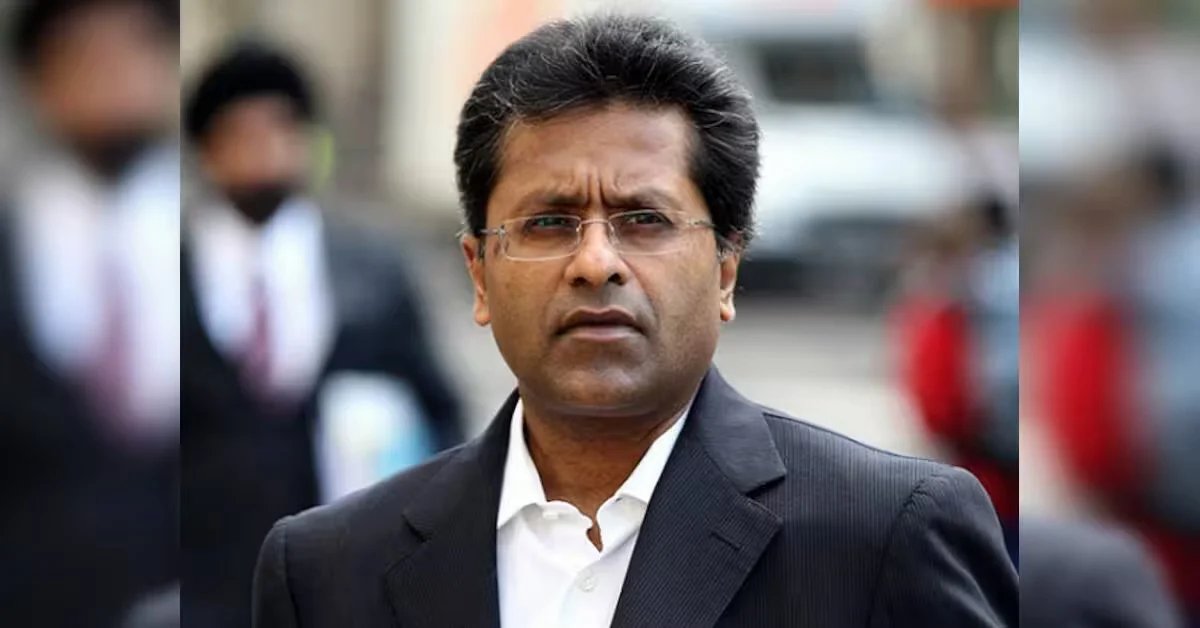
Lalit Modi, founder of the Indian Premier League (IPL), recently announced in a social media post that he had acquired British citizenship. Modi, who faces charges under the Prevention of Money Laundering Act (PMLA) and has been accused of violating the Foreign Exchange Management Act (FEMA), left India in 2010.
India has been seeking Lalit Modi’s extradition since 2012. In June 2026, the Ministry of External Affairs (MEA) said the legal proceedings concerning him were under way in the respective jurisdictions. However, after announcing his British citizenship, Modi told The Times of India that no extradition request was pending against him.
Does British citizenship protect Lalit Modi from extradition to India?
Acquiring British citizenship would not put Modi’s extradition in abeyance. The India-UK Extradition Treaty, which came into force in November 1993, does not exempt British citizens from extradition to India.
“The India-UK Extradition Treaty expressly permits the requested state to extradite its own nationals, whether for a territorial or extraterritorial offence,” said Alay Razvi, managing partner at Accord Juris.
Article 4 of the treaty states that nothing in the agreement prevents the UK from extraditing its own nationals, whether the alleged offence was committed within or outside the requesting country’s territory.
How can India seek Lalit Modi’s extradition under the India-UK treaty?
To seek extradition, India must make a formal request through diplomatic channels, supported by the documents and evidence required under the treaty and UK law.
One key requirement is dual criminality. Article 2 of the treaty provides that the conduct for which extradition is sought must constitute an offence under the laws of both countries. The offence must generally carry a punishment of at least one year’s imprisonment.
“India must satisfy three cumulative requirements, and failure to meet any one defeats the request. Article 2 provides the first: the conduct must constitute an offence in both countries, punishable by at least one year’s imprisonment,” said Samayra Adlakha, an advocate at the Delhi High Court.
Article 11 sets out the other two requirements. It makes an Indian arrest warrant mandatory, so there can be no extradition without one. India must also support its request with evidence.
Put simply, Article 2 determines whether India may ask, while Article 11 determines whether India has asked properly, Adlakha added.
India will also have to provide relevant court orders, warrants and supporting evidence. Under the UK’s Extradition Act 2003, India is a designated Category 2 territory, and extradition requests are examined under Part 2 of the law.
Can British courts refuse Lalit Modi’s extradition?
Even when a request meets the basic requirements, extradition is not automatic. The India-UK treaty and British law provide grounds on which a person may not be extradited.
“British courts can refuse India’s request on several grounds under the Extradition Act 2003. These include political motivation, where Mr Lalit Modi needs only to show a ‘reasonable chance’ of prejudice. Another is the passage of time, though Gomes stops him from relying on a delay he caused himself by staying away. The most serious is the risk of ill-treatment or an unfair trial under Articles 3 and 6 of the European Convention on Human Rights (ECHR). Prison conditions are India’s real weak spot,” said Anu Sura, associate partner at PSL Advocates & Solicitors.
Can Indian agencies continue investigating or prosecuting Lalti Modi?
Yes. Acquiring foreign citizenship does not allow a person to evade criminal liability for alleged offences committed in India.
The Enforcement Directorate (ED) can continue its investigations within its legal jurisdiction. Indian courts can also proceed in accordance with applicable criminal procedure. The PMLA defines the offence of money laundering under Section 3 and sets out the procedures for investigating and prosecuting such offences.
What happens to Lalit Modi’s Indian citizenship, and can he travel to India?
India does not allow dual citizenship. The Citizenship Act, 1955, provides that an Indian citizen who voluntarily acquires the citizenship of another country ceases to be an Indian citizen.
“Lalit Modi’s acquisition of British citizenship does not affect the jurisdiction of Indian investigative agencies or require alteration of the extradition request. Article 1 of the 1992 India-UK Extradition Treaty applies to ‘any person’ accused or convicted of an extradition offence and found in the requested state,” said Rohit Jain, managing partner at Singhania & Co.
Under Section 9(1) of the Citizenship Act, 1955, Lalit Modi’s voluntary acquisition of British citizenship terminates his Indian citizenship, and he must surrender his Indian passport. If he returns to India on a valid British passport and visa, outstanding warrants or judicial process may be executed. He may face arrest, bail proceedings and trial in accordance with Indian law, Jain added.
About the Author