A feast of cultures: How regional thalis celebrate India’s culinary diversity
 The Apna Chhattisgarh
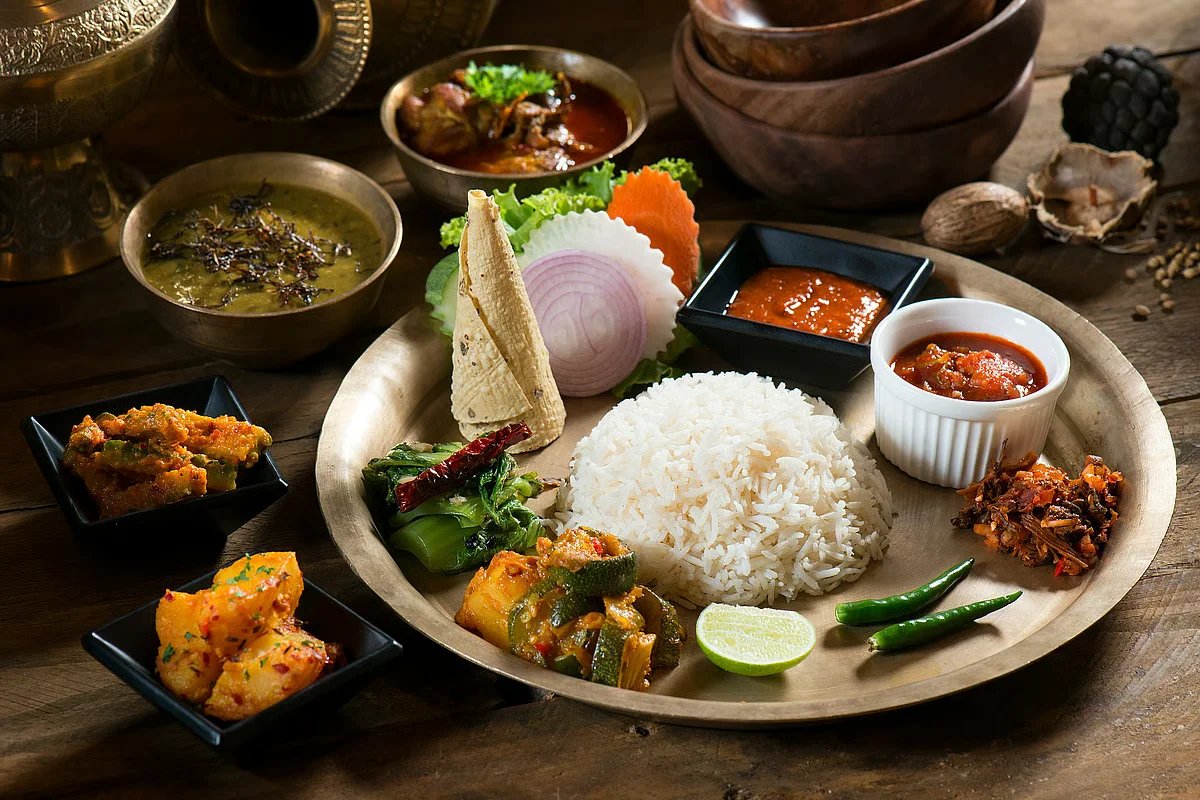
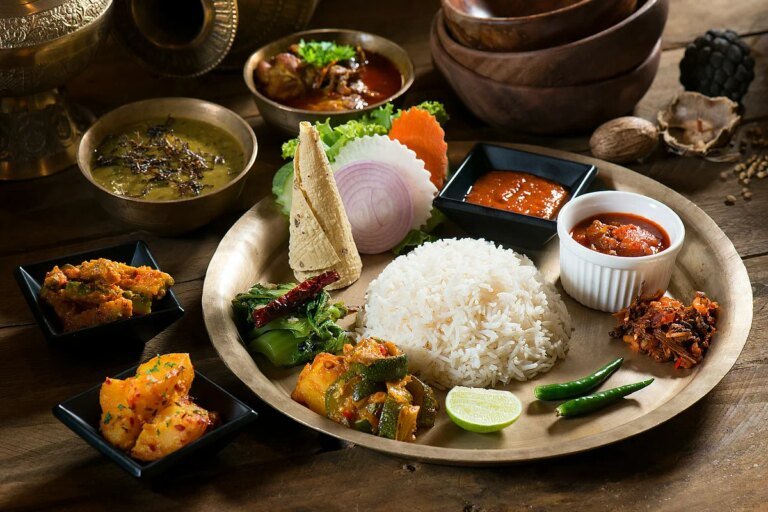
India’s culinary diversity finds one of its most vibrant expressions in the traditional thali. Bringing together an assortment of grains, vegetables, lentils, curries, pickles and desserts, regional thalis offer much more than a complete meal. They reflect the agricultural practices, geographical conditions, seasonal preferences and cultural traditions of different communities across the country.
While the composition of a thali varies from region to region, the tradition of combining contrasting flavours and textures remains central to the Indian dining experience.
𝗣𝘂𝗻𝗷𝗮𝗯𝗶 𝘁𝗵𝗮𝗹𝗶
Known for its hearty preparations, the Punjabi thali reflects the state’s agricultural prosperity and preference for wheat-based breads and dairy products. Dal makhani, chole, paneer preparations, makki di roti and sarson da saag are among its popular offerings. Generous servings of butter, ghee and a glass of lassi complement the meal, particularly during the winter months.
𝗥𝗮𝗷𝗮𝘀𝘁𝗵𝗮𝗻𝗶 𝘁𝗵𝗮𝗹𝗶
Rajasthan’s traditional platter reflects generations of culinary adaptation to an arid landscape. Dal baati churma, gatte ki sabzi, ker sangri, bajra roti and accompaniments such as garlic chutney are characteristic of the region. Dried vegetables, millets and gram flour have traditionally played an important role in its kitchens, particularly in areas where fresh produce and water were scarce.
𝗚𝘂𝗷𝗮𝗿𝗮𝘁𝗶 𝘁𝗵𝗮𝗹𝗶
The Gujarati thali is distinguished by its interplay of sweet, sour and savoury flavours. A traditional spread may feature rotli, dal, kadhi, seasonal vegetable preparations, dhokla, khandvi, farsan and sweets. Undhiyu, a seasonal mixed vegetable preparation, remains a popular winter delicacy. The predominantly vegetarian platter reflects the region’s diverse culinary customs and religious influences.
𝗕𝗲𝗻𝗴𝗮𝗹𝗶 𝘁𝗵𝗮𝗹𝗶
The Bengali thali celebrates the abundance of rivers, fertile agricultural land and freshwater fish. Rice, shukto, dal, vegetable fritters, fish curry and chutney are commonly served as part of a traditional meal. Hilsa cooked in mustard paste is among the region’s celebrated delicacies, while mishti doi, sandesh and payesh provide a sweet conclusion. Traditional Bengali meals often follow a sequence, progressing from bitter preparations to sweeter dishes.
𝗔𝘀𝘀𝗮𝗺𝗲𝘀𝗲 𝘁𝗵𝗮𝗹𝗶
Characterised by distinctive indigenous ingredients and relatively subtle seasoning, the Assamese thali typically features rice, dal, khar, pitika, seasonal leafy vegetables and fish preparations. Masor tenga, a tangy fish curry, is a signature dish, while bamboo shoots, fermented ingredients and mustard oil lend distinctive flavours to various preparations. The cuisine reflects the biodiversity of the Brahmaputra Valley and the culinary traditions of Assam’s numerous communities.
𝗠𝗮𝗵𝗮𝗿𝗮𝘀𝗵𝘁𝗿𝗶𝗮𝗻 𝘁𝗵𝗮𝗹𝗶
The Maharashtrian thali encompasses diverse culinary traditions, from the coastal Konkan region to the state’s interiors. Bhakri, varan bhaat, amti, vegetable preparations, koshimbir and puran poli are among its traditional offerings. Coastal variations frequently incorporate seafood and coconut, while inland communities make extensive use of millets, pulses and locally grown vegetables.
𝗞𝗲𝗿𝗮𝗹𝗮 𝘀𝗮𝗱𝘆𝗮
Traditionally served on a banana leaf, Kerala’s sadya is an elaborate vegetarian feast associated with Onam, weddings and other celebrations. The spread includes rice, avial, thoran, olan, sambar, pickles, banana chips, papadam and payasam. Coconut and curry leaves lend characteristic flavours to many preparations, while the arrangement and serving of dishes follow established culinary customs.
𝗞𝗮𝘀𝗵𝗺𝗶𝗿𝗶 𝗽𝗹𝗮𝘁𝘁𝗲𝗿
Kashmir’s culinary heritage encompasses distinctive vegetarian and meat-based preparations. Dishes such as rogan josh, yakhni, dum aloo and haak showcase the region’s aromatic cooking traditions. Saffron, fennel and dried ginger contribute to its characteristic flavours, while kahwa remains a traditional beverage associated with Kashmiri hospitality.
𝗔 𝗹𝗶𝘃𝗶𝗻𝗴 𝗰𝘂𝗹𝗶𝗻𝗮𝗿𝘆 𝗵𝗲𝗿𝗶𝘁𝗮𝗴𝗲
Beyond their gastronomic appeal, India’s regional thalis help preserve traditional recipes, indigenous ingredients and community-specific cooking practices. They also provide opportunities to promote culinary tourism, support local agricultural producers and introduce younger generations to traditional food cultures.
Despite regional differences, these platters embody a shared tradition of hospitality and communal dining. Each meal offers a glimpse into the relationship between food, geography, history and cultural identity, celebrating India’s diversity through its everyday culinary traditions.
About the Author