
Delhi Police orders frisking, armed staff at all stations after Jama Masjid knife attack
 The Apna Chhattisgarh
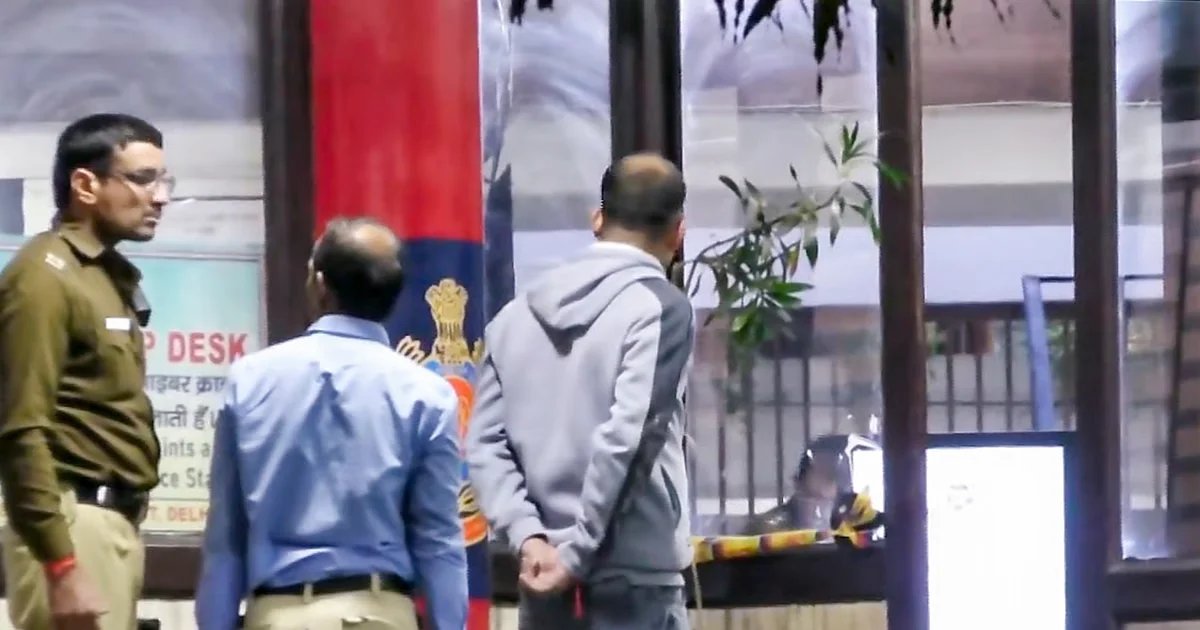
The Delhi Police has directed police stations across the national capital to strengthen security, frisk visitors and ensure that sentries and duty officers are armed following a knife attack that left nine personnel injured at the Jama Masjid police station earlier this week.
The fresh instructions were issued on Thursday after an initial inquiry found that the station’s duty officer, sentry and designated emergency officer were unarmed when the incident took place on Monday. A separate investigation has also been ordered to examine possible lapses in reporting the attack and alerting senior officers.
Senior police officers held a meeting with officials heading all 15 police districts and instructed deputy commissioners of police (DCPs) to review security arrangements at stations under their jurisdiction.
Station House Officers (SHOs) have been told to ensure that personnel manning reception areas carry weapons. Visitors will be frisked, while those whose behaviour or movements appear suspicious may be asked to provide their identity, residential address and purpose of visit before entering police premises.
“Station House Officers have been asked to see that all personnel manning the reception are armed,” a police officer said. “Officials have been asked to frisk visitors. The sentry and emergency officers have to be armed and everyone should have a working wireless set.”
The directions apply to more than 200 police stations across Delhi. Under the existing standard operating procedure (SOP), the emergency officer at every police station must carry a weapon and a wireless set, while the sentry is also required to be armed.
Nine policemen injured in three-minute attack
The security review follows Monday’s attack, when 30-year-old Mohd Nabeel allegedly assaulted five police personnel inside the Jama Masjid police station with a pocket knife before fleeing.
Nabeel had been called to the station for questioning after his mother and sister lodged a complaint accusing him of beating and harassing them for money.
More than 30 personnel from the police station had been deployed for VIP movement duty that day, leaving only a handful of officers inside. Most of those present were unarmed.
Within approximately three minutes, Nabeel allegedly attacked two sub-inspectors, two head constables and an assistant sub-inspector. CCTV footage of the incident, reviewed by Hindustan Times, showed several policemen running for cover, while a few attempted to stop him using batons. Nabeel was seen moving around the station and attacking officers who tried to confront him.
He escaped from the premises but was apprehended around two hours later in the Chitli Qabar area, approximately two kilometres from the police station. During the pursuit, he allegedly attacked four more police personnel.
The police fired eight rounds to overpower him, six of which hit him in the legs. He was subsequently taken to hospital for treatment. All nine injured policemen were later reported to be out of danger.
A senior police officer said several personnel had been assigned to VIP security duty, leaving the station inadequately equipped to respond to the attack.
“The sub-inspector (emergency officer) should have been armed. The sentry was a female cop and was also unarmed. Such lone wolf attacks could have been avoided but nobody was ready,” the officer said.
Inquiry to examine communication failures
The Delhi Police has also ordered a separate inquiry into suspected lapses in communicating the attack to senior officers and coordinating the response.
According to a senior officer, no call was made to the police control room (PCR), and no wireless communication was initiated during the incident. Personnel deployed for VIP duty reportedly faced network connectivity problems because of signal jammers. A staff member eventually had to contact the Anti-Terrorist Officer (ATO) to inform senior officials.
“There was no PCR call. No wireless communication. The officials on VIP duty faced network issues due to jammers. A staffer then had to call ATO (Anti-Terrorist Officer) to inform seniors,” the officer said.
The inquiry will examine whether the use of wireless communication could have helped police trace Nabeel more quickly. He was eventually located in Chitli Qabar, just two kilometres from the police station, with the assistance of informers and local residents.
The investigation will also look into the circumstances that left the emergency officer and sentry without weapons, despite the requirements under the police department’s SOP.
The latest directives are aimed at preventing similar incidents by improving security at police station entrances, ensuring personnel are properly equipped and strengthening communication between officers during emergencies.
About the Author