How Jensen Huang’s Nvidia comeback compares to return of Jobs, Altman | Tech News
 The Apna Chhattisgarh
By Jo Constantz
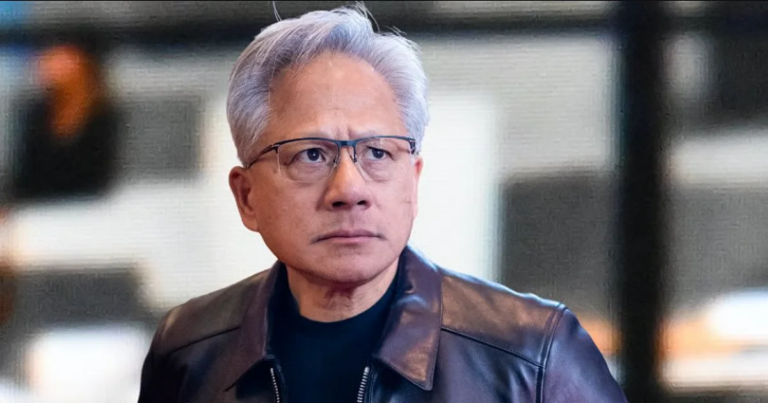
Jensen Huang is back at the helm of Nvidia, less than two weeks after he resigned as CEO, following revelations of extramarital affairs with one of his direct reports and a suspected Chinese spy.
Huang left the company on Nov. 12. On Monday, Nvidia’s board unanimously reinstated him, following discussions with Huang and pressure from US President Donald Trump. The 11-day turnaround makes it one of the fastest high-profile CEO comebacks.
Still, that kind of boomerang isn’t unheard of. Recent corporate history is littered with founder-CEOs who were reinstated after directors and investors decided the business couldn’t do without them. Some returned after a successor struggled; others after the board faced external pressure.
Boards sometimes conclude that a former leader is a safer bet than an outside candidate or planned internal successor. A returning founder can bring institutional knowledge, relationships with employees and investors and a degree of authority that a newly appointed CEO may struggle to replicate.
Here are five noteworthy precedents:
Jack Dorsey, Twitter: Dorsey was pushed out as Twitter CEO in October 2008 amid concerns about his management. He remained chairman. Dorsey returned as CEO in 2015 while also running the payments company Square. His return is an example of a board turning back to a founder who had been sidelined but never entirely left the company’s orbit.
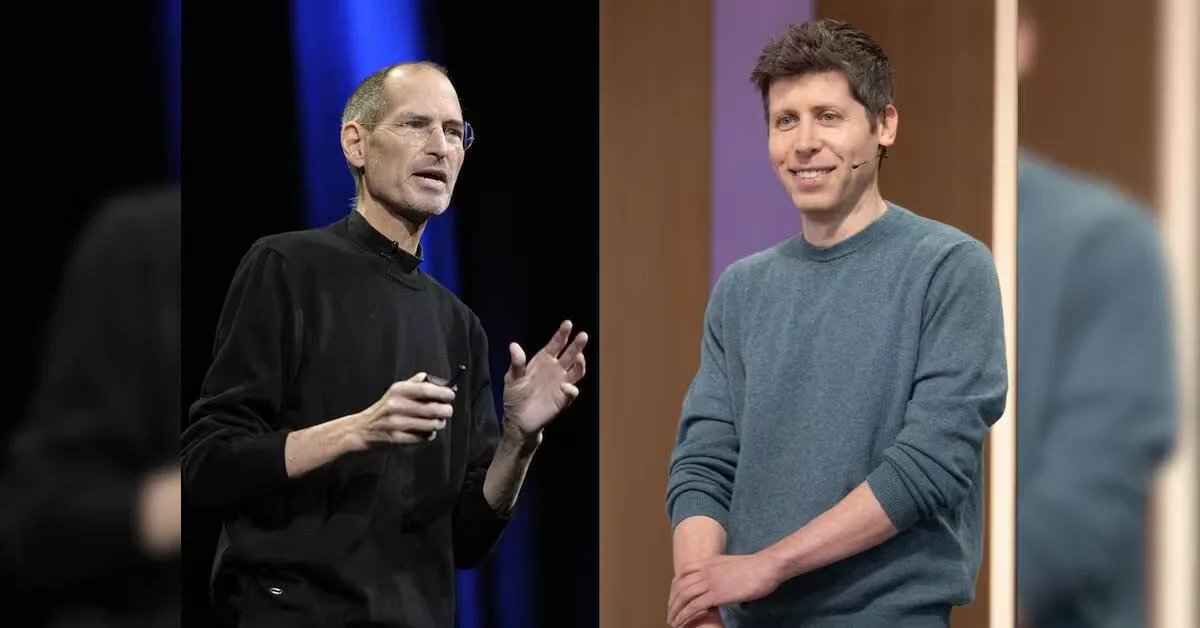
Steve Jobs, Apple: Jobs was forced out of Apple in 1985 after a power struggle with then-CEO John Sculley. Jobs rejoined Apple in 1996 when it acquired NeXT, a company he founded, and was named interim CEO in 1997 and permanent CEO in 2000. His return is arguably the most famous corporate comeback in American business history.
Disney’s Iger and OpenAI’s Altman are particularly relevant because their returns followed boards reversing decisions about their successors. Huang’s reinstatement similarly reverses a major leadership decision.
Huang’s case is distinctive because the US government played a direct role in the board’s deliberations.
“I can’t think of a single example where a US president or somebody in the administration came forward and said we want a particular person to take over a company,” said Michael Useem, emeritus professor of management at the University of Pennsylvania’s Wharton School. “In this case, it’s not a company that is partly owned by the US or in any way is beholden to the US. Strictly speaking, Donald Trump is a complete outsider on this, but nonetheless, he weighed in. So it’s a unique one-off event.”
But, Useem added, “One wonders, is this going to be precedent-setting? Such that as future board decisions are up for consideration [US government officials may] decide to weigh in on companies that are completely privately owned.”
About the Author