Stalled housing projects: Can banks force homebuyers to pay EMIs? | India News
 The Apna Chhattisgarh
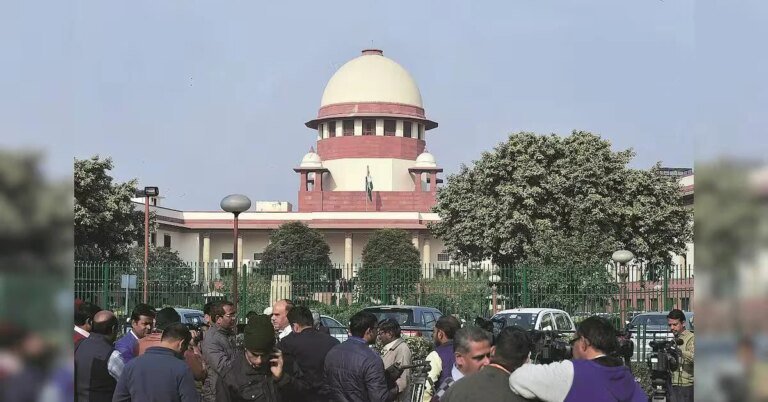
The Supreme Court, in its November 19 ruling, sought to protect the rights of homebuyers by asking courts to examine coercive recovery action until banks’ loan-disbursement practices and buyers’ alleged defaults are scrutinised.
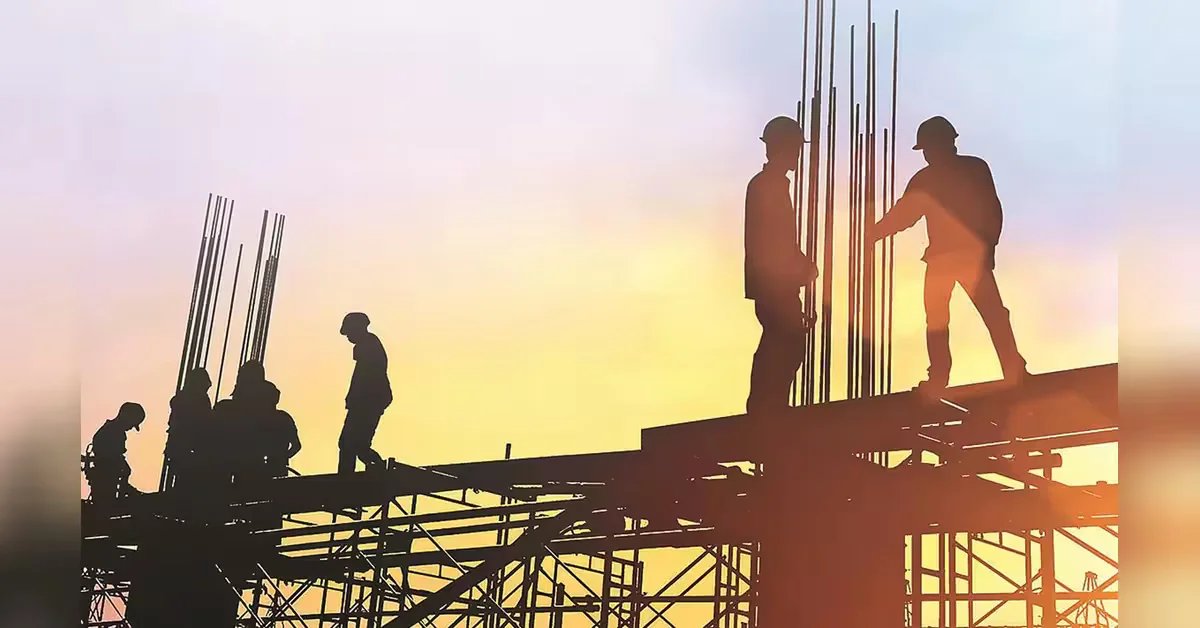
The case arises from Raheja Developers’ Krishna Housing project in Gurugram. The court asked the relevant courts to examine the relationship between banks and real estate developers before directing homebuyers to repay housing loans in stalled projects.
The order raises an important question: Can a bank hold homebuyers responsible for loan amounts released to a developer without corresponding progress in construction?
How do construction-linked home loans work, and what went wrong in this case?
Construction-linked home loans differ from regular home loans. The bank releases the sanctioned loan amount to the developer in stages, depending on the progress of construction. Payments are linked to specific construction milestones.
A tripartite agreement governs the relationship between the bank, developer and homebuyer. It sets out the terms governing loan disbursement and the responsibilities of the parties concerned.
In the present case, homebuyers had entered into a similar arrangement involving the State Bank of India (SBI) and Raheja Developers.
According to the Supreme Court’s directions, although loan disbursement was linked to construction progress, the bank had released money to the developer without corresponding progress at the site, which was contrary to the agreed structure of the arrangement.
Raheja Developers was subsequently admitted into the Corporate Insolvency Resolution Process (CIRP) by the National Company Law Tribunal (NCLT) in August 2025.
Meanwhile, SBI moved to file recovery suits against the homebuyers before the Commercial Court in Delhi, which passed interim orders requiring buyers to pay instalments.
Can banks demand EMIs when a builder fails to deliver the property?
In usual circumstances, a builder’s failure to complete a housing project does not automatically cancel the homebuyer’s loan agreement with the bank.
A housing loan creates contractual obligations for both the borrower and the lender. The borrower is generally required to repay the amount disbursed, along with interest on the principal, according to the loan agreement.
However, according to Rahul Hingmire, co-founder and managing partner at Vis Legis Law Practice, banks cannot ignore their own responsibilities under a construction-linked loan agreement.
If a bank releases 80 per cent of the loan when construction has reached only 30 per cent, the buyer has every reason to question such disbursement. The real issue is whether the bank followed the agreed conditions before releasing funds, said Hingmire.
What if a bank releases funds without checking construction progress?
This is where the Supreme Court’s order becomes significant.
The Supreme Court said it was for the court with appropriate jurisdiction to first determine the nexus between the bank authorities and examine whether the loan was disbursed strictly according to the tripartite agreement.
“Importantly, a premature release does not by itself establish a fraudulent bank-builder nexus. An allegation of collusion requires independent supporting evidence,” said Shaurya Mitra Tomar, senior partner at Chugh Universal Legal.
Under the Indian Contract Act, 1872, a bank paying the builder as the buyer’s agent must follow the buyer’s instructions and make good any loss caused by departing from them, Tomar added.
Does the Supreme Court order mean homebuyers can stop paying EMIs?
No. The order does not completely waive repayment of housing loans or permanently suspend repayment obligations.
The Supreme Court clarified that it had not expressed any opinion on the merits of the case and had granted only interim protection against coercive recovery measures.
It also allowed the commercial court to modify its existing interim directions after hearing both parties.
Homebuyers, therefore, cannot treat the order as permission to stop paying EMIs in every stalled housing project. Their liability depends on the terms of the contract and the findings of the competent court.
“The order protects homebuyers for now; it does not cancel their liability to repay. Before any coercive step, the recovery court must first check whether the bank disbursed in line with the tripartite agreement and what the builder–bank relationship was,” said Raheel Patel, partner at Gandhi Law Associates.
What can buyers of stalled housing projects do if banks demand repayment?
Homebuyers facing recovery suits should first examine their loan-related obligations, including tripartite agreements, to understand the conditions governing disbursement.
“Protection against recovery must nevertheless be sought from the appropriate forum, with the Delhi High Court emphasising the DRT/DRAT route in SARFAESI matters,” said Gudipati Gayatri Kashyap, advocate at the Delhi High Court.
The governing principle should be accountability: repayment liability must be assessed alongside the bank’s contractual compliance, rather than treating the homebuyer as the only party answerable for a failed project, Kashyap added.
The Real Estate (Regulation and Development) Act, 2016, or RERA, also provides safeguards, including the right to seek a refund with interest or compensation where the statutory conditions are met.
The Supreme Court’s order reiterates the need to examine the conduct of lenders and developers before placing the burden of a stalled housing project entirely on homebuyers.
About the Author