Delimitation deadlock continues as Centre weighs Dec Parliament sitting, Congress sets 4 conditions
 The Apna Chhattisgarh
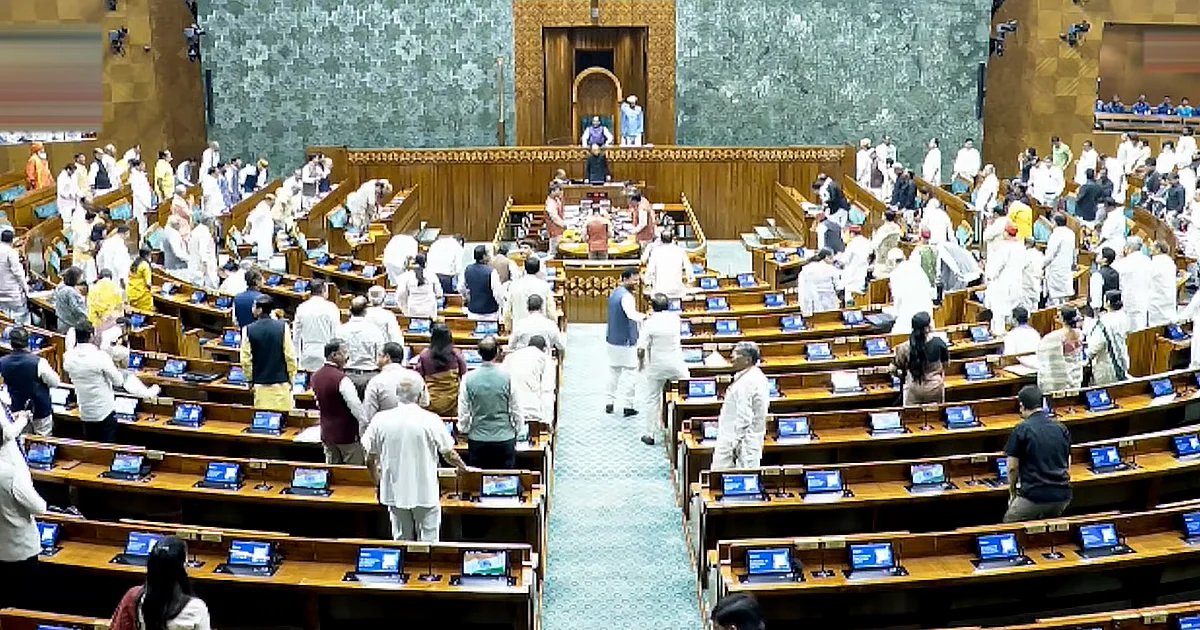
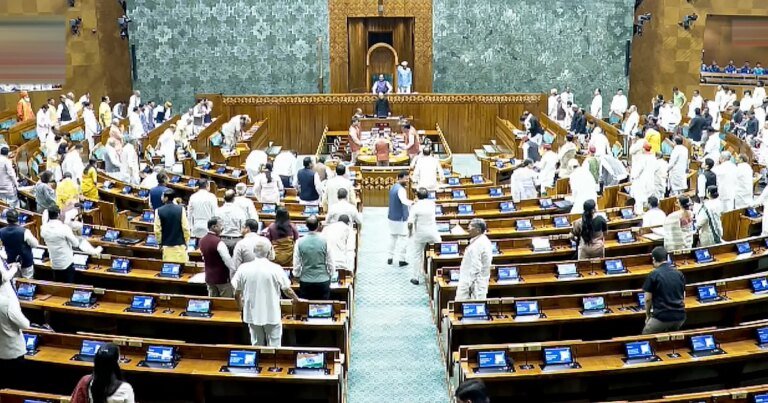
The Centre’s efforts to revive the proposed delimitation legislation have encountered a fresh political deadlock, with the Congress and other Opposition parties laying down four conditions for supporting the exercise, even as the government reportedly considers reconvening Parliament in December.
The Monsoon Session of Parliament has remained formally open for 100 days after its last sitting, marking the longest such interval in parliamentary history. The previous record was 87 days in 2008.
According to sources cited by NDTV, the BJP-led National Democratic Alliance (NDA) government is working to secure the two-thirds majority required to pass constitutional amendments relating to delimitation and the implementation of 33 per cent reservation for women in Parliament and state legislatures.
Although there had been speculation about a special three-day parliamentary session from November 25 to 27, government sources indicated that no separate special session would be convened.
Instead, the government is reportedly considering resuming the existing Monsoon Session in the second week of December for approximately a dozen sittings, with the two bills likely to be taken up during the first three days.
𝐂𝐨𝐧𝐠𝐫𝐞𝐬𝐬 𝐬𝐞𝐭𝐬 𝐟𝐨𝐮𝐫 𝐜𝐨𝐧𝐝𝐢𝐭𝐢𝐨𝐧𝐬
The Congress has maintained that it is not opposed to delimitation in principle but wants the exercise to protect the existing representation of states.
The party has outlined four conditions for supporting the proposed legislation.
First, the total strength of the Lok Sabha should remain unchanged at 543 seats. Second, every state should retain its existing number of parliamentary constituencies.
Third, the Nari Shakti Vandan Adhiniyam, enacted in 2023, should be implemented by reserving 182 of the existing 543 Lok Sabha seats for women.
Fourth, these arrangements should be protected through a constitutional amendment imposing a 25-year freeze.
Congress general secretary Jairam Ramesh has called for consultations involving all political parties before any fresh legislation is introduced.
The Dravida Munnetra Kazhagam (DMK) and Aam Aadmi Party (AAP) are also understood to broadly support these conditions, although differences remain among Opposition parties over possible alternatives.
𝐆𝐨𝐯𝐞𝐫𝐧𝐦𝐞𝐧𝐭 𝐬𝐞𝐞𝐤𝐬 𝐬𝐮𝐩𝐩𝐨𝐫𝐭
The government’s proposal seeks to increase the number of Lok Sabha seats from 543 to 850, with approximately one-third reserved for women on a rotational basis.
It would also permit delimitation using the 2011 Census or another census specified under the proposed framework, rather than necessarily waiting for the completion of Census 2027.
The government has argued that expanding the Lok Sabha would improve representation and facilitate the implementation of women’s reservation.
The Opposition, however, has expressed concern that changing the allocation of constituencies could alter the political balance between states, particularly those that have achieved greater success in population control.
The BJP has accused the Congress of obstructing women’s reservation by opposing its proposed delimitation framework. Congress leaders have countered that the women’s quota should be implemented without increasing parliamentary seats or changing the existing state-wise distribution.
𝐓𝐰𝐨-𝐭𝐡𝐢𝐫𝐝𝐬 𝐦𝐚𝐣𝐨𝐫𝐢𝐭𝐲 𝐫𝐞𝐦𝐚𝐢𝐧𝐬 𝐜𝐡𝐚𝐥𝐥𝐞𝐧𝐠𝐞
The government’s earlier attempt to pass the Constitution (131st Amendment) Bill failed in April, when the proposed legislation received 298 votes in favour and 230 against, falling short of the required two-thirds majority.
According to the latest political calculations reported by NDTV, the NDA believes it has the assured support of approximately 319 Lok Sabha members, including 241 from the BJP.
The alliance is exploring the possibility of securing additional support from parties and MPs outside its existing coalition.
Among the parties being discussed are the Nationalist Congress Party (Sharadchandra Pawar), which has eight MPs, and the DMK, which has 22.
The calculations also factor in a group of 20 MPs who broke away from the Mamata Banerjee-led MAITC and joined the NCPI.
However, these possible additions do not amount to confirmed support for the legislation.
NCP(SP) leader Supriya Sule has indicated that her party could consider supporting an arrangement under which every state’s parliamentary representation increases by a uniform 50 per cent, avoiding changes in the relative balance between states.
The government would still need to secure sufficient votes to meet the constitutional requirement, which depends on the number of members present and voting.
𝐃𝐞𝐜𝐞𝐦𝐛𝐞𝐫 𝐬𝐢𝐭𝐭𝐢𝐧𝐠 𝐮𝐧𝐝𝐞𝐫 𝐜𝐨𝐧𝐬𝐢𝐝𝐞𝐫𝐚𝐭𝐢𝐨𝐧
The decision not to prorogue the Monsoon Session has attracted criticism from Opposition leaders, who allege that the government is keeping open the option of reconvening Parliament at short notice while seeking additional support.
An existing session can be resumed with substantially less notice than would ordinarily be required to summon a fresh session.
Congress leaders have questioned the government’s intentions and demanded clarity on the proposed legislation before parliamentary proceedings resume.
The disagreement also has implications for the 2029 Lok Sabha elections. If the proposed amendments are not passed in December, the government could face a tighter timetable for completing delimitation and conducting the next general election under revised constituency boundaries.
For now, the Centre and Opposition remain divided over whether women’s reservation should be implemented through an expanded Lok Sabha or within its existing 543-seat structure.
About the Author