Musadik Malik evades responsibility for past Indus Waters Treaty remarks; seeks ‘talk with India’
 The Apna Chhattisgarh
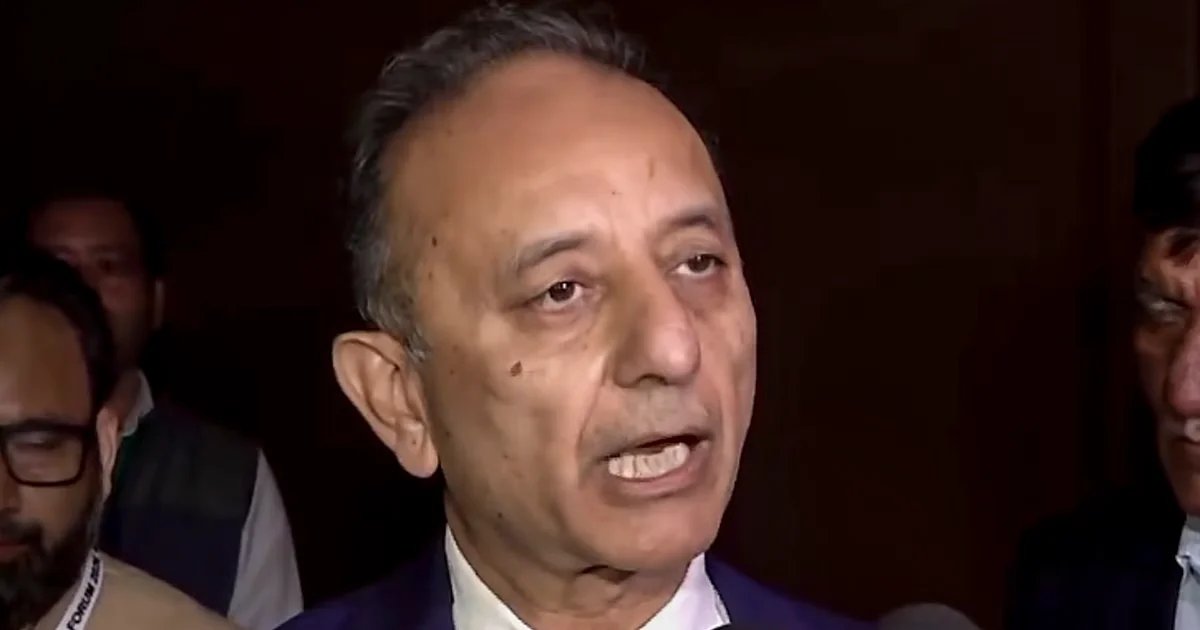
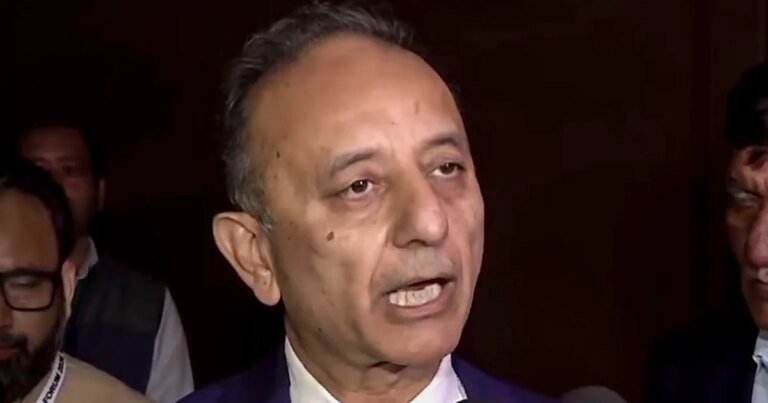
Pakistan’s Minister for Climate Change and Environmental Coordination, Musadik Masood Malik, on Sunday said he was willing to discuss bilateral issues with India if formally invited, while avoiding a direct response to questions about his earlier remarks on the Indus Waters Treaty.
Speaking to reporters on the sidelines of the Shanghai Cooperation Organisation (SCO) Civilisational Dialogue Forum in New Delhi, Malik said he had not received any invitation for bilateral discussions during his visit.
The Pakistani minister, who led his country’s delegation at the three-day forum from November 20 to 22, maintained that his participation was confined to the multilateral gathering.
“I have not been called for bilateral talks even once. Once there is any formal movement on it, I will answer the questions related to it. Without a mechanism, how can we discuss bilateral issues?” he said.
Malik said he was prepared to discuss specific matters if India initiated a formal dialogue.
“When you invite me for a discussion on those specific issues, I shall be there. But first, you must extend that invitation,” he said.
𝐐𝐮𝐞𝐬𝐭𝐢𝐨𝐧𝐞𝐝 𝐨𝐯𝐞𝐫 𝐈𝐧𝐝𝐮𝐬 𝐭𝐫𝐞𝐚𝐭𝐲 𝐫𝐞𝐦𝐚𝐫𝐤𝐬
Asked about his previous statements concerning the Indus Waters Treaty, Malik said he had not been invited to discuss the water-sharing agreement during his visit.
“When you invite me to discuss the Indus Water Treaty, we will certainly talk about it. You haven’t invited me to discuss the Indus Water Treaty at this moment,” he said.
In June, Malik had warned that Pakistan would “cut off that hand” which attempted to deprive it of its share of water, following India’s decision to place the 1960 treaty in abeyance.
India announced the decision after the April 22, 2025, terrorist attack in Pahalgam, which killed 26 people.
Malik’s earlier remarks resurfaced during his visit to New Delhi, the first by a Pakistani minister in more than three years.
However, he declined to directly address the substance of those statements, reiterating that the SCO forum was not intended for bilateral negotiations.
𝐈𝐧𝐝𝐢𝐚 𝐫𝐞𝐢𝐭𝐞𝐫𝐚𝐭𝐞𝐬 𝐮𝐧𝐜𝐡𝐚𝐧𝐠𝐞𝐝 𝐬𝐭𝐚𝐧𝐝
The Ministry of External Affairs (MEA) had on Friday made it clear that India’s position on the Indus Waters Treaty remained unchanged.
Responding to questions about Malik’s visit and his earlier comments, MEA spokesperson Randhir Jaiswal said New Delhi had already communicated its position.
“As far as the IWT is concerned, we have made our position very clear, and that is where it remains. There is absolutely no change,” Jaiswal said.
India has maintained that its decision to hold the treaty in abeyance was linked to its concerns over cross-border terrorism emanating from Pakistan.
Malik’s participation in the SCO forum did not lead to any announced bilateral negotiations or change in New Delhi’s position on the agreement.
𝐌𝐚𝐥𝐢𝐤 𝐜𝐚𝐥𝐥𝐬 𝐟𝐨𝐫 𝐭𝐞𝐫𝐫𝐨𝐫 𝐝𝐢𝐚𝐥𝐨𝐠𝐮𝐞
Responding to questions about terrorism, Malik called for a mechanism through which India and Pakistan could exchange evidence and address their respective concerns.
He said Pakistan had also suffered casualties from terrorism and argued that a lasting solution required structured discussions rather than accusations.
The minister claimed that Islamabad had previously proposed addressing terrorism-related evidence through bilateral or multilateral channels.
“We have stated on many occasions, in various forums, that evidence can be presented bilaterally. We have also suggested that this could be handled multilaterally. You bring your evidence, and we will bring ours,” he said.
Malik maintained that an established mechanism would be necessary for meaningful discussions on terrorism and other contentious bilateral issues.
India, however, has consistently maintained that any normalisation of relations with Pakistan must address its concerns over cross-border terrorism.
𝐒𝐂𝐎 𝐯𝐢𝐬𝐢𝐭 𝐚𝐦𝐢𝐝 𝐬𝐭𝐫𝐚𝐢𝐧𝐞𝐝 𝐭𝐢𝐞𝐬
Malik arrived in New Delhi to participate in the first SCO Civilisational Dialogue Forum, a multilateral event bringing together representatives from member countries to discuss cultural exchanges and shared historical traditions.
India had extended invitations to all SCO member states, including Pakistan, as part of the forum’s established multilateral framework.
During the event, Malik expressed hope that regional engagement could contribute to better relations among participating countries.
His visit came against the backdrop of strained India-Pakistan relations following the Pahalgam attack and the military confrontation between the two countries in May 2025.
Although the Pakistani minister expressed willingness to engage in discussions, no formal bilateral talks between India and Pakistan were announced during his visit.
About the Author