
NGT takes suo motu cognisance of illegal mining near MP’s Bajranggarh Fort | India News
 The Apna Chhattisgarh
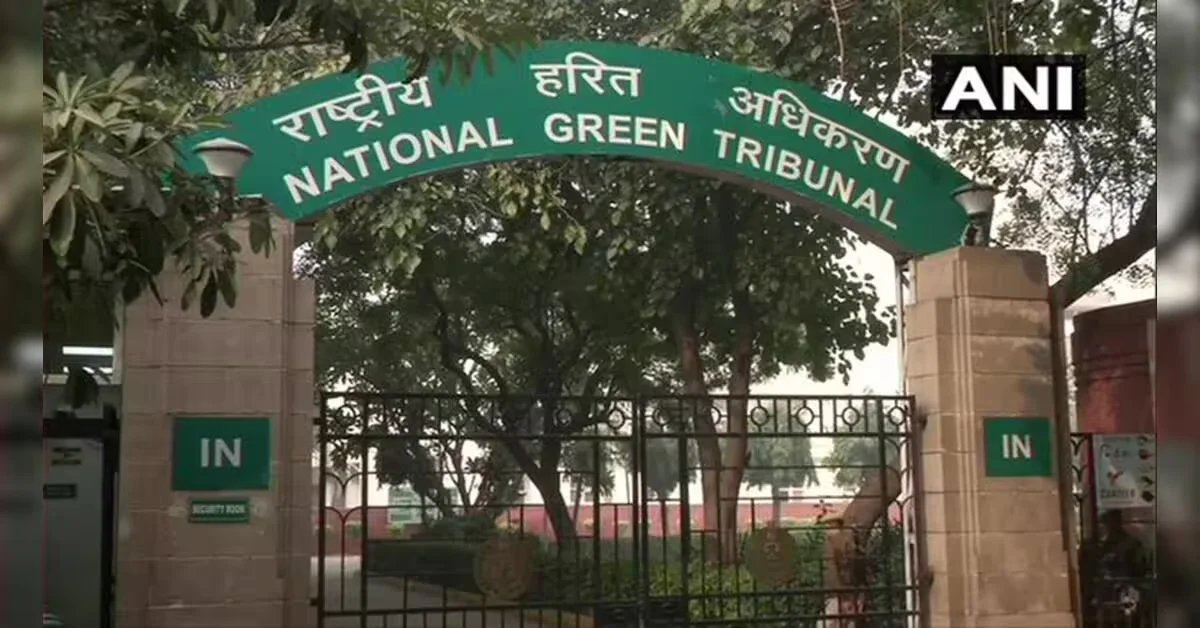
The National Green Tribunal (NGT) has taken suo motu (on its own) cognisance of alleged illegal mining and frequent blasting in the hills adjoining the historic Bajranggarh Fort in Madhya Pradesh’s Guna district and issued notices to five authorities.
The tribunal impleaded the Madhya Pradesh government through the Guna district magistrate, the Member Secretary of the Madhya Pradesh Pollution Control Board, Guna Municipal Council, the Divisional Forest Officer, Guna, and the District Mining Officer, Guna, as respondents. They have been asked to reply ahead of the next hearing on December 23, an official said.
The NGT’s Bhopal-based Central Zonal Bench, comprising Chairperson Justice Prakash Shrivastava and expert member Sudhir Kumar Chaturvedi, registered an original application based on a news report in a Hindi newspaper on November 17 on mining and stone quarrying in the hills near the 16th-17th century Bajranggarh fort.
The NGT observed that the matter appeared to involve violations of environmental norms, which could attract provisions of the Environment (Protection) Act, the Air (Prevention and Control of Pollution) Act, the Mines and Minerals (Development and Regulation) Act, and the Environment Impact Assessment Notification.
The bench also referred to the Supreme Court’s 2021 judgement in the Municipal Corporation of Greater Mumbai versus Ankita Sinha case, which recognised the NGT’s power to take up matters suo motu.
According to the newspaper report, nine mining leases have been allotted in the area over the past decade, though excavation was being carried out at several locations over areas many times larger than those approved under the mining leases.
The report further stated that crusher machines were continuously breaking stones on the hills adjoining the fort, near the Aron-Sironj State Highway, and regular blasting was being carried out to break rocks. These were causing nearby houses and even the fort walls to tremble.
The report also flagged the absence of wire fencing and warning signs around deep mining pits, alleging that inadequate safety measures posed a serious risk of accidents.
It raised questions over the monitoring and oversight of the Mineral Department and the Archaeological Survey of India (ASI).
About the Author