SRFTI suspends rustication orders against 5 students amid unrest, extends campus closure
 The Apna Chhattisgarh
The Satyajit Ray Film and Television Institute (SRFTI) on Thursday announced that rustication orders against five students for two semesters had been kept in abeyance, allowing them to submit representations and seek reconsideration through the appropriate institutional process amid continuing campus unrest.
The decision was taken at an extraordinary meeting of the institute’s Executive Council, chaired by Vice-Chancellor Santosh Ajmera, which reviewed the prevailing situation and discussed measures to restore a safe and conducive academic environment.
The institute also announced legal action against former employee Anirban Dutta over allegations of misrepresenting his identity, using the institute’s name without authorisation and claiming to hold the position of vice-president of the SRFTI Alumni Association.
𝐑𝐮𝐬𝐭𝐢𝐜𝐚𝐭𝐢𝐨𝐧 𝐨𝐫𝐝𝐞𝐫𝐬 𝐩𝐮𝐭 𝐨𝐧 𝐡𝐨𝐥𝐝
In a statement, SRFTI said the Executive Council had decided to suspend the implementation of the rustication orders to ensure procedural fairness and provide the five students an opportunity to present their cases.
However, the council clarified that the decision should not be interpreted as a relaxation of institutional discipline or accountability.
It strongly condemned violence, intimidation and activities disrupting the functioning of academic institutions.
The council also expressed concern over what it described as attempts to politicise the student movement, external interference in institutional affairs and the circulation of one-sided narratives that could aggravate tensions.
SRFTI maintained that peaceful expression of grievances and constructive dialogue remained essential to an academic environment, but disruptive activities could not be allowed to undermine institutional autonomy.
𝐂𝐚𝐦𝐩𝐮𝐬 𝐜𝐥𝐨𝐬𝐮𝐫𝐞 𝐞𝐱𝐭𝐞𝐧𝐝𝐞𝐝
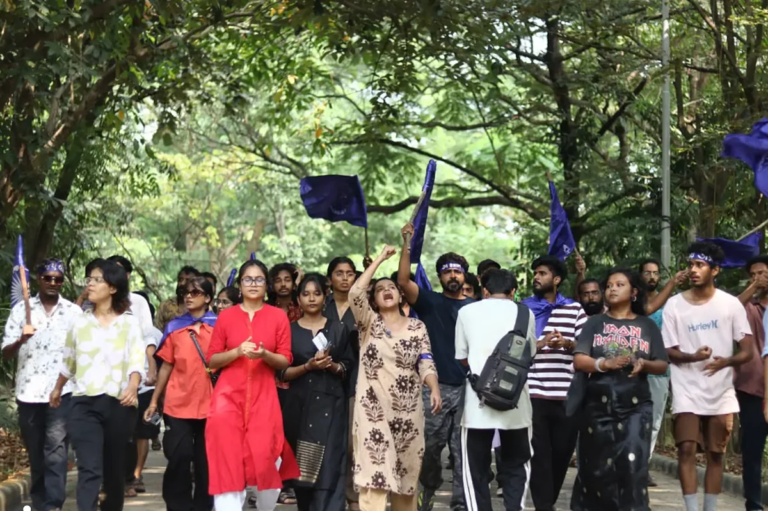
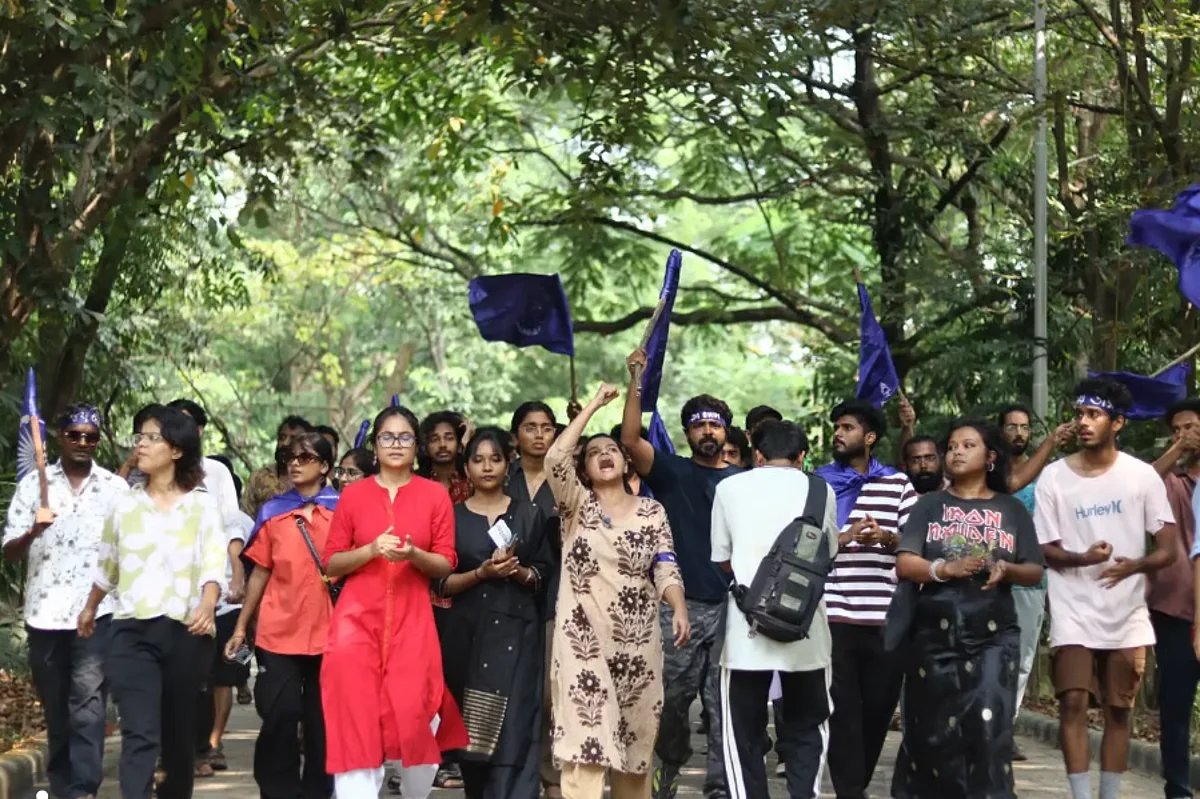
The institute has extended its campus closure until December 11 as protests continue over alleged attacks on students and concerns regarding campus security.
The unrest began on September 27 following allegations that students were attacked during an event organised by the RSS-linked Akhil Bharatiya Grahak Panchayat on campus.
Tensions escalated after another alleged attack on October 4 during a rally organised by Bangiya Hindu Jagran Manch.
Students subsequently organised sit-ins, raising concerns over their safety, privacy and freedom of movement within the campus.
Protesting students have accused the administration of adopting coercive measures rather than addressing their grievances.
The institute, however, has maintained that additional security measures became necessary following allegations of intimidation, physical abuse and vandalism.
Authorities have also accused protesting students of continuing to occupy hostel facilities despite instructions to vacate them.
𝐋𝐞𝐠𝐚𝐥 𝐚𝐜𝐭𝐢𝐨𝐧 𝐚𝐠𝐚𝐢𝐧𝐬𝐭 𝐟𝐨𝐫𝐦𝐞𝐫 𝐞𝐦𝐩𝐥𝐨𝐲𝐞𝐞
In a separate development, SRFTI said it had initiated legal proceedings against former employee Anirban Dutta over alleged misrepresentation and unauthorised use of the institute’s identity.
According to the institute, Dutta had been identifying himself as vice-president of the SRFTI Alumni Association and issuing statements concerning campus clashes and political developments.
SRFTI said it issued a notice to him on November 17, seeking an explanation and documentary evidence establishing his authority to represent the association.
The institute alleged that Dutta failed to provide the required documents within the stipulated period.
It subsequently lodged a formal complaint with the appropriate authorities, requesting an investigation and action in accordance with the law.
The institute said the alleged actions, if established, could constitute an attempt to disrupt its functioning and damage its reputation.
𝐂𝐚𝐥𝐥 𝐟𝐨𝐫 𝐝𝐢𝐚𝐥𝐨𝐠𝐮𝐞 𝐚𝐧𝐝 𝐫𝐞𝐬𝐭𝐫𝐚𝐢𝐧𝐭
The Executive Council appealed to students, faculty members, parents and other stakeholders to exercise restraint and contribute towards restoring academic normalcy.
It urged all parties to reject divisive narratives and engage constructively in resolving the ongoing dispute.
The protests have also included demands for accountability over the alleged campus attacks and the resignation of Vice-Chancellor Ajmera.
While the institute has maintained that disciplinary measures are necessary to preserve order, protesting students have continued to question the administration’s handling of the situation.
The decision to keep the rustication orders in abeyance provides an opportunity for the affected students to seek a review, even as the broader dispute over campus security and administrative accountability remains unresolved.
About the Author