‘Over 50 million targeted by AI deepfakes’, Paris Hilton urges US Congress to act
 The Apna Chhattisgarh
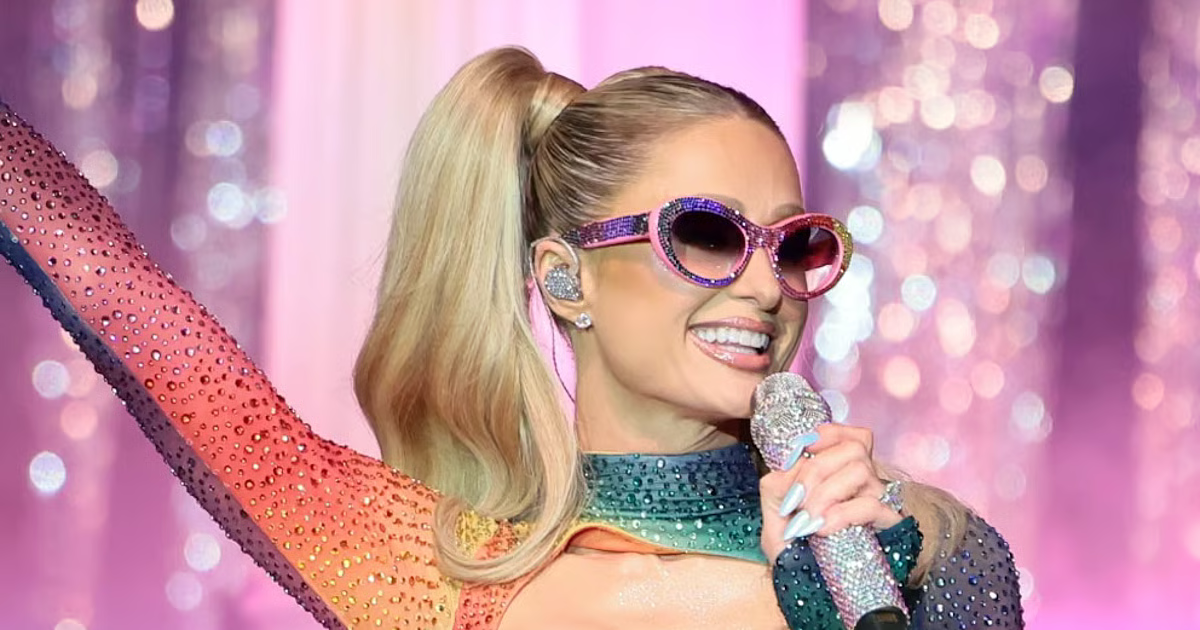
American socialite and entrepreneur Paris Hilton has urged the US House of Representatives to pass the bipartisan DEFIANCE Act, warning that more than 50 million people have been victimised by sexually explicit deepfakes and that existing laws remain inadequate to protect them.
Speaking at Capitol Hill on Tuesday, Hilton joined Democratic Representative Alexandria Ocasio-Cortez and Republican Representative Laurel Lee in calling for immediate legislative action against the creation and distribution of non-consensual, AI-generated intimate imagery.
The proposed legislation, which received unanimous approval in the US Senate in January, would allow victims to pursue civil lawsuits against individuals responsible for creating or distributing such material.
Despite bipartisan support, the bill has remained stalled in the House of Representatives for approximately 10 months.
Hilton, who has become a prominent advocate against digital sexual exploitation, appealed directly to House Speaker Mike Johnson, Majority Leader Steve Scalise and House Judiciary Committee Chairman Jim Jordan to bring the legislation to a vote.
𝐇𝐢𝐥𝐭𝐨𝐧 𝐫𝐞𝐯𝐞𝐚𝐥𝐬 𝐩𝐞𝐫𝐬𝐨𝐧𝐚𝐥 𝐨𝐫𝐝𝐞𝐚𝐥
Highlighting the scale of the problem, Hilton disclosed that more than 100,000 sexually explicit AI-generated images and videos depicting her were circulating online.
She recalled her experience at the age of 19, when an intimate video was released by a former boyfriend without her consent, and said advances in artificial intelligence had made such violations easier to perpetrate.
“Ten months ago, I stood here at the Capitol and told the world what it feels like to have your body exposed without your consent, and I asked Congress to do something about it,” Hilton said.
She argued that even individuals with significant financial resources and public influence struggled to prevent the circulation of manipulated imagery.
“The laws aren’t protecting us. And if this can happen to someone with my resources and my platform, imagine how powerless a young girl might be feeling facing this completely alone,” she added.
Hilton said the consequences of such exploitation extended beyond reputational damage, affecting victims’ mental health, personal relationships and professional opportunities.
𝐖𝐨𝐦𝐞𝐧 𝐥𝐚𝐰𝐦𝐚𝐤𝐞𝐫𝐬 𝐚𝐥𝐬𝐨 𝐭𝐚𝐫𝐠𝐞𝐭𝐞𝐝
Hilton also presented findings from research conducted by her team concerning the circulation of sexually explicit deepfakes involving women serving in the US Congress.
According to the findings she cited, 83 of the 156 women serving in the 119th Congress had been depicted in sexually explicit deepfake content available online.
She described the findings as deeply concerning, arguing that even elected representatives were vulnerable to technology-enabled harassment and exploitation.
The figures, presented by Hilton during her advocacy campaign, underscored her argument that digital sexual abuse had become a widespread problem affecting women across professional and social backgrounds.
𝐖𝐡𝐚𝐭 𝐭𝐡𝐞 𝐃𝐄𝐅𝐈𝐀𝐍𝐂𝐄 𝐀𝐜𝐭 𝐩𝐫𝐨𝐩𝐨𝐬𝐞𝐬
The DEFIANCE Act seeks to establish a federal civil remedy for victims of non-consensual sexually explicit digital imagery.
Under the proposed legislation, victims would be able to sue those responsible for creating or distributing such content and seek financial damages.
The measure would also permit victims to recover profits generated through the unauthorised use of their images.
Another provision would establish a 10-year limitation period for filing lawsuits, beginning when victims discover the violation or reach the age of 18, whichever occurs later.
Supporters argue that the legislation would provide an additional legal mechanism to hold perpetrators accountable and strengthen protections against technology-enabled sexual abuse.
Representative Laurel Lee warned that the consequences of digitally manipulated intimate images could persist long after their initial circulation.
“Once these images are shared, the damage can be devastating,” Lee said.
She added that victims could experience harassment, threats and lasting harm, with their education, relationships and careers potentially affected by images created without their consent.
𝐎𝐜𝐚𝐬𝐢𝐨-𝐂𝐨𝐫𝐭𝐞𝐳 𝐪𝐮𝐞𝐬𝐭𝐢𝐨𝐧𝐬 𝐝𝐞𝐥𝐚𝐲
Ocasio-Cortez criticised the House for failing to advance the legislation despite its unanimous passage in the Senate.
She pointed out that the bill had received bipartisan support in the upper chamber on two occasions, first in 2024 and again in January 2026.
“For 10 months, this critical legislation has sat untouched in the House, just waiting to be put on the floor,” she said.
The Democratic lawmaker questioned why the House had not scheduled a vote despite the legislation’s broad support.
She also indicated that advocates had been engaging with the White House and expressed optimism about the Trump administration’s willingness to consider the measure.
Hilton separately appealed to Republican leaders to recognise the risks posed by sexually explicit deepfakes to women and girls, including members of their own families and communities.
𝐁𝐢𝐥𝐥 𝐛𝐮𝐢𝐥𝐝𝐬 𝐨𝐧 𝐞𝐱𝐢𝐬𝐭𝐢𝐧𝐠 𝐥𝐚𝐰
The proposed DEFIANCE Act would complement the existing Take It Down Act, a federal law championed by US First Lady Melania Trump.
The Take It Down Act criminalised the non-consensual publication of authentic and AI-generated intimate imagery and required social media platforms and other websites to remove such material within 48 hours of receiving a victim’s request.
However, advocates maintain that additional civil remedies are necessary to help victims seek compensation and pursue those responsible for creating and distributing harmful content.
Hilton’s renewed appeal comes amid growing concerns about the misuse of artificial intelligence to generate realistic sexual imagery without the knowledge or consent of the individuals depicted.
The campaign has also highlighted the difficulty of containing such content once it has been uploaded and repeatedly shared across digital platforms.
With the DEFIANCE Act still awaiting consideration in the House, Hilton and lawmakers supporting the measure have called for a vote before the end of the current congressional session.
About the Author